
Stress is an inevitable part of life, but the way we respond to it can greatly impact our mental and physical well-being. Whether facing workplace challenges, important life decisions, or daily worries, there are effective strategies to help you stay calm.
Deep Breathing – Activate Your Relaxation Response
One of the fastest ways to calm yourself in stressful situations is through deep breathing. When stressed, your breathing becomes shallow, increasing feelings of panic.
✅ How to apply?
- Try the 4-7-8 technique: Inhale through your nose for 4 seconds, hold your breath for 7 seconds, and exhale through your mouth for 8 seconds.
- Repeat this cycle 3-5 times until you feel more relaxed.
How Deep Breathing Saved Me from an Anxiety Spiral

I remember the first time I truly understood the power of deep breathing. It was a regular Monday morning, or so I thought. I had a big presentation at work, one that could determine the success of an important project. As I sat in the conference room waiting for my turn, I suddenly felt my heart pounding like a drum. My hands got clammy, my chest tightened, and my thoughts raced uncontrollably: What if I mess up? What if I forget what to say?
The more I panicked, the more I struggled to breathe. I could feel my body tensing up, my vision narrowing. That’s when I remembered something I had read about—the 4-7-8 breathing technique.
Desperate to regain control, I closed my eyes for a moment and silently counted:
🔹 Inhale through my nose for 4 seconds – filling my lungs slowly.
🔹 Hold my breath for 7 seconds – letting my body absorb the oxygen.
🔹 Exhale gently through my mouth for 8 seconds – releasing the tension.
I repeated the cycle three times, and something incredible happened. My heartbeat slowed, my mind stopped spiraling, and my muscles loosened. It felt like I had reset my entire nervous system.
By the time I was called up to present, I was still a bit nervous, but no longer overwhelmed. I spoke clearly, my voice steady. I got through it—all because I took a few deep breaths.
Since that day, deep breathing has become my secret weapon against anxiety. Whenever I feel stress creeping in, I pause, breathe, and reset. It reminds me that I am always in control of my body, even when my mind tries to convince me otherwise.
💬 Have you ever used deep breathing to manage stress? Share your experience in the comments
Mindfulness – Stay Present and Grounded

Stress often arises from worrying about the future or dwelling on the past. Mindfulness techniques help you focus on the present moment and reduce anxiety.
✅ How to apply?
- Try the 5-4-3-2-1 grounding technique: Identify 5 things you see, 4 things you can touch, 3 things you hear, 2 things you can smell, and 1 thing you can taste.
- This method shifts your focus away from stress and brings you back to reality.
How Mindfulness Helped Me Escape an Anxiety Spiral

A few months ago, I found myself sitting alone in a coffee shop, overwhelmed by racing thoughts. I had just received an email that made my stomach drop—something at work had gone wrong, and I was sure it was my fault. My mind spiraled into worst-case scenarios: What if I lose my job? What if I can’t fix this? What if I disappoint everyone?
My heart started pounding, my hands trembled slightly, and I felt that familiar tightness in my chest. It was happening again—another anxiety spiral. I knew I had to do something before I lost control completely.
Then, I remembered something I had read about the 5-4-3-2-1 grounding technique. I decided to give it a try.
🔹 5 things I could see – The coffee mug in front of me, a woman typing on her laptop, a framed picture on the wall, the steam rising from my drink, the pattern on the wooden table.
🔹 4 things I could touch – The warmth of the cup in my hands, the smooth surface of my phone, the fabric of my sweater, the cool metal of the spoon.
🔹 3 things I could hear – Soft jazz music playing in the background, the hum of conversation, the sound of a spoon clinking against a cup.
🔹 2 things I could smell – Freshly brewed coffee and the faint scent of vanilla from my drink.
🔹 1 thing I could taste – The slight bitterness of my coffee, mixed with a hint of caramel.
By the time I reached the last step, my heart rate had slowed, my breathing was steady, and my anxious thoughts had faded. I wasn’t panicking anymore—I was present. The problem still existed, but at that moment, I was okay.
That day, I realized the power of mindfulness. I still face stressful situations, but now I have a tool that keeps me grounded. No matter how chaotic my thoughts get, the present moment is always within reach.
💬 Have you ever used mindfulness to stop an anxiety spiral? Share your experience in the comments! 😊
Shift Your Perspective – Focus on What You Can Control

When under stress, we tend to focus on things beyond our control. Instead, redirect your attention to what you can influence.
✅ How to apply?
- Ask yourself: “Can I do something about this? If not, why stress over it?”
- Visualize a positive outcome rather than expecting the worst.
How Changing My Perspective Helped Me Overcome Anxiety

A few years ago, I was stuck in a pattern of overthinking and stressing over things I couldn’t control. I would replay conversations in my head, worry about how people perceived me, and obsess over possible failures that hadn’t even happened yet. My mind was constantly in “what if” mode, and it was exhausting.
One evening, after a particularly stressful day at work, I sat down with my journal and asked myself a simple question: “Can I control this?”
I started listing the things I was worried about:
🔹 What if my boss isn’t happy with my work?
🔹 What if my friend is upset with me for canceling plans?
🔹 What if something unexpected ruins my plans next week?
Then, I made two columns: “Things I Can Control” vs. “Things I Can’t Control.”
To my surprise, most of my worries fell into the second column. I had no control over how my boss felt, what my friend thought, or unpredictable events in the future. But I could control how I prepared for work, how I communicated with my friend, and how I responded to changes.
That night, I made a decision: I would only focus on what I could control and let go of the rest.
The next time my mind started spiraling, I reminded myself: If I can’t change it, I won’t waste energy on it. This shift in perspective didn’t make my problems disappear, but it gave me back my peace of mind.
💬 Have you ever changed your mindset to overcome stress? Share your experience in the comments! 😊
Physical Activity – Move Your Body, Calm Your Mind

Exercise reduces cortisol (the stress hormone) and increases endorphins, which improve mood.
✅ How to apply?
- A simple 10-minute walk can make a huge difference.
- If indoors, do a few squats, push-ups, or stretches.
- Yoga and light exercises can have a calming effect on both body and mind.
How Exercise Became My Escape from Anxiety
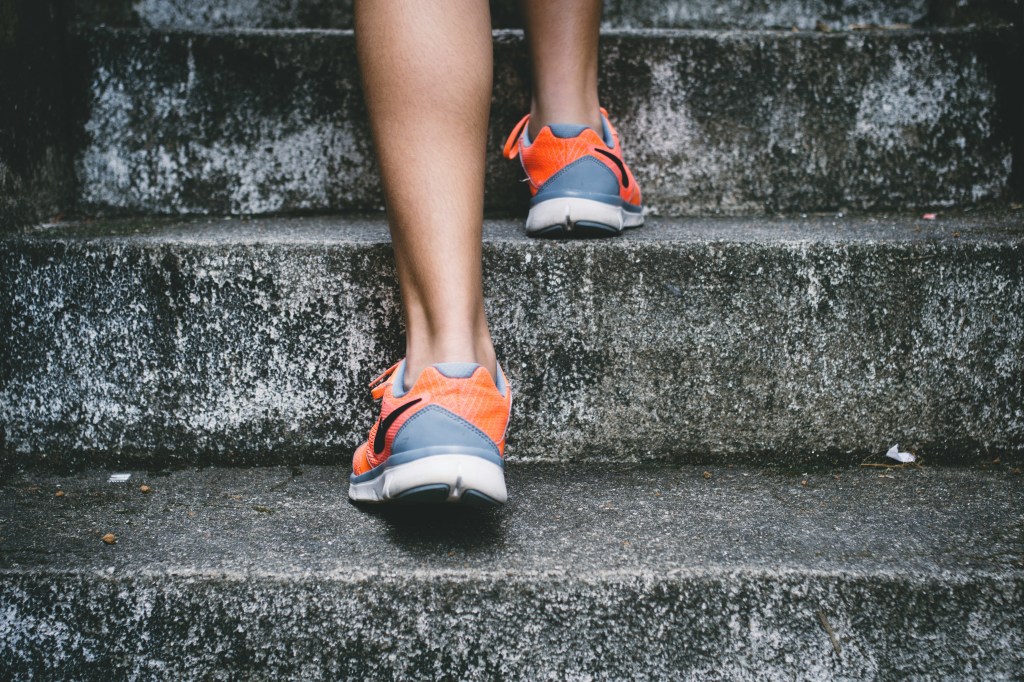
A year ago, I found myself trapped in a cycle of constant overthinking. My anxiety was at its peak, and every little thing felt overwhelming. I struggled with racing thoughts, sleepless nights, and a sense of restlessness that never seemed to fade. Nothing seemed to help—until one day, out of frustration, I decided to go for a walk.
It wasn’t anything special—just a slow, aimless walk around my neighborhood. But within a few minutes, I noticed something strange. My thoughts, which had been spiraling just moments before, started to slow down. The fresh air felt cool against my skin, and for the first time that day, I took a deep breath without feeling tightness in my chest.
The next day, I walked again. This time, I picked up the pace, feeling my heart rate increase. By the end of the week, I was walking every morning, and I realized something—I felt lighter, both physically and mentally.
Soon, I started trying other forms of movement—stretching, yoga, even a few bodyweight exercises at home. Each time I moved my body, my mind felt clearer. It was as if my worries couldn’t keep up with me while I was in motion.
Exercise became more than just an activity—it became my escape, my reset button. Now, whenever anxiety starts creeping in, I know exactly what to do: get up, get moving, and let the stress melt away.
💬 Have you ever used physical activity to manage stress? Share your experience in the comments! 😊
Combine Deep Breathing with Positive Affirmations

Pairing deep breathing with affirmations can significantly reduce stress.
✅ How to apply?
- While inhaling, tell yourself: “I am calm and in control.”
- While exhaling, imagine stress leaving your body.
- Repeat the affirmation until you feel a shift in your mood.
How Deep Breathing and Affirmations Helped Me Overcome Anxiety

A few months ago, I found myself in the middle of an overwhelming anxiety attack. It came out of nowhere—I was sitting at my desk, trying to focus on my work, when suddenly, my heart started racing. My hands felt cold, my chest tightened, and I could feel panic creeping in.
I had experienced anxiety before, but this time was different. I couldn’t think clearly, and every attempt to calm down only made me more frustrated. That’s when I remembered something a friend had told me about: combining deep breathing with affirmations.
Desperate for relief, I closed my eyes and placed a hand on my chest. I took a slow, deep breath in through my nose and silently repeated in my mind:
🟢 “I am calm and in control.”
I held my breath for a moment and then exhaled through my mouth, imagining all the stress leaving my body.
I repeated the process. Inhale—”I am safe.” Exhale—”This feeling will pass.”
With each breath, my heart rate slowed. My muscles relaxed. My thoughts, which had been racing moments ago, started to quiet down.
By the time I opened my eyes, the panic had faded. I wasn’t completely anxiety-free, but I felt grounded again. Since that day, deep breathing and affirmations have become my go-to tools whenever I feel stress building up. They remind me that, no matter how overwhelming my emotions get, I have the power to bring myself back to a place of peace.
💬 Have you ever used affirmations to calm anxiety? Share your thoughts in the comments! 😊
Conclusion

Stress is a natural part of life, but your response to it can change. By incorporating breathing exercises, mindfulness, physical activity, and a shift in perspective, you can maintain inner peace even in the most challenging moments.
💬 Which technique helps you stay calm the most? Share your thoughts in the comments! 😊
 Mastering Anxiety