
Practice Deep Breathing (The 4-7-8 Method)

Your breath is one of the most powerful tools for calming your nervous system. The 4-7-8 breathing technique, developed by Dr. Andrew Weil, is a simple yet effective way to reduce anxiety.
How to do it:
- Inhale deeply through your nose for 4 seconds.
- Hold your breath for 7 seconds.
- Exhale slowly through your mouth for 8 seconds.
- Repeat this cycle 4 times.
Studies show that controlled breathing can lower cortisol levels, the hormone responsible for stress.
Engage in Regular Exercise

Physical activity is a natural anxiety reducer. Research has found that just 30 minutes of exercise can significantly lower stress hormones and boost endorphins.
Best types of exercise for anxiety relief: ✔ Walking or jogging ✔ Yoga or stretching ✔ Strength training ✔ Dancing or aerobic workouts
Tip: If you’re feeling anxious, take a 10-minute brisk walk. Movement helps regulate emotions and clears your mind.
Try Progressive Muscle Relaxation (PMR)
PMR is a technique where you tense and then release different muscle groups to promote relaxation.

How to do it:
- Start at your feet: Tense the muscles for 5 seconds, then release.
- Move to your calves, thighs, abdomen, chest, arms, and neck.
- Focus on the feeling of relaxation after each release.
A study published in the Journal of Clinical Psychology found that PMR helps reduce anxiety by activating the body’s relaxation response.
Reduce Caffeine & Sugar Intake
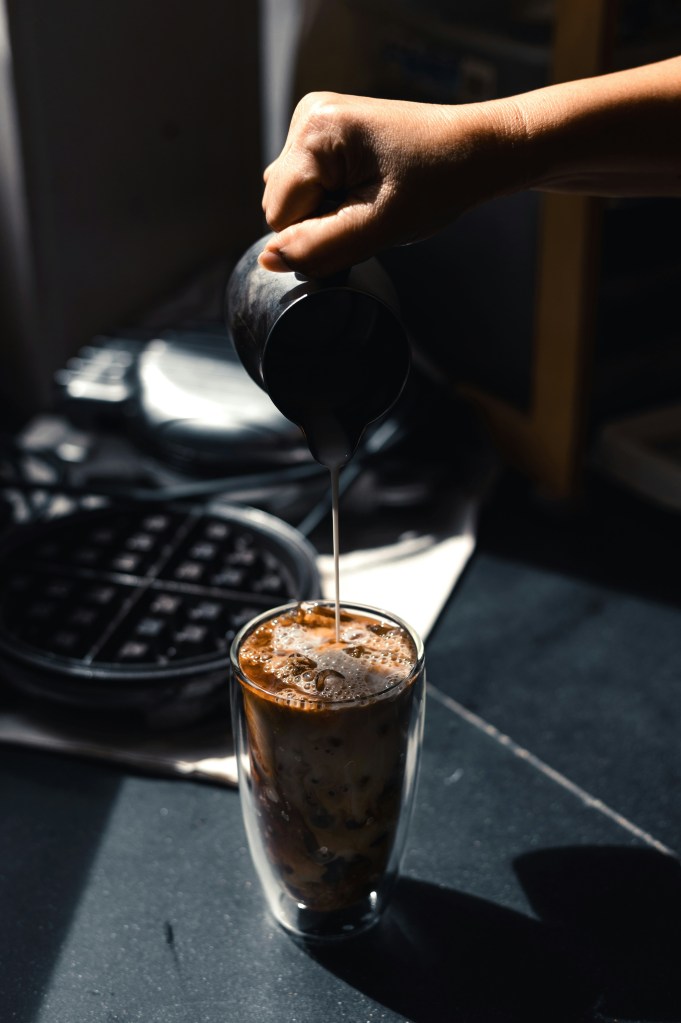
Caffeine and sugar can increase heart rate and make anxiety symptoms worse. Instead of coffee or energy drinks, opt for herbal tea like chamomile, which has been shown to promote relaxation.
Tip: Switch to green tea or matcha for a gentler caffeine source without the jitters.
Use the “5-4-3-2-1” Grounding Technique
This mindfulness exercise helps bring you back to the present moment.
✔ 5 things you can see ✔ 4 things you can touch ✔ 3 things you can hear ✔ 2 things you can smell ✔ 1 thing you can taste
By engaging your senses, you shift focus away from anxious thoughts.
Get Enough Sleep
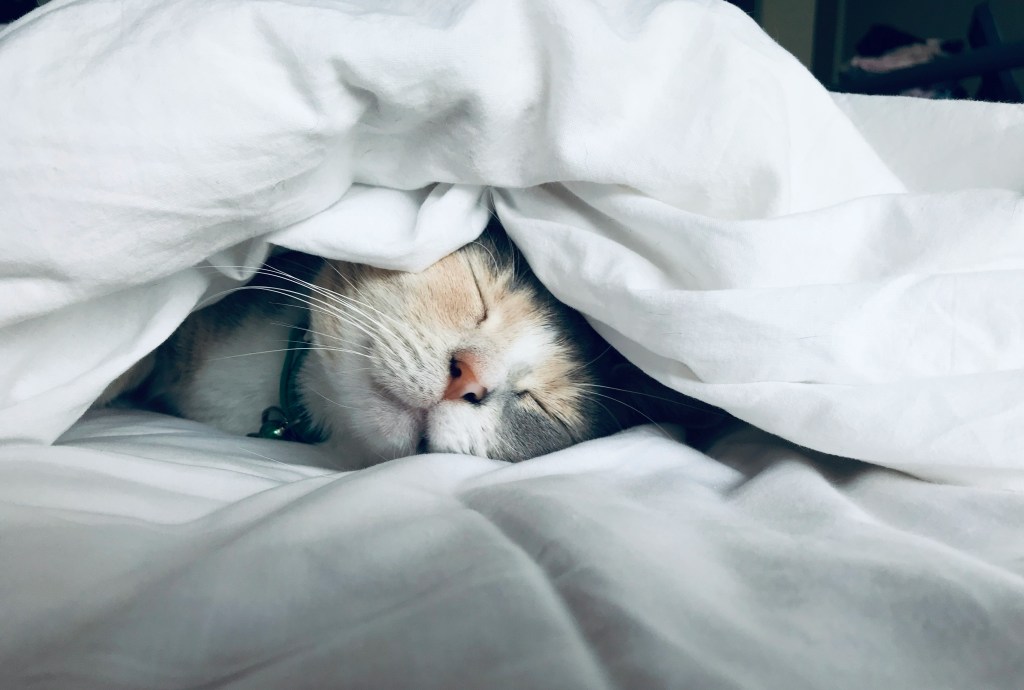
Poor sleep increases anxiety, and anxiety makes it harder to sleep – a vicious cycle. Studies suggest that 7-9 hours of quality sleep can significantly lower stress levels.
How to improve sleep:
- Stick to a regular sleep schedule.
- Avoid screens at least 1 hour before bed.
- Try a bedtime relaxation routine (reading, journaling, or meditation).
Keep a Journal (Write it Out!)
Journaling helps you process emotions and gain perspective on anxious thoughts. Writing things down can feel like unloading mental clutter.

Try these journal prompts:
- What are 3 things I’m grateful for today?
- What is one thought that’s making me anxious, and how can I reframe it?
- What’s one small step I can take to feel better today?
Research from The Journal of Affective Disorders found that expressive writing significantly reduces anxiety and depressive symptoms.
Limit News & Social Media Consumption
Too much negative news and endless social media scrolling can increase anxiety levels. Try setting time limits for social media and news consumption.
Tip: Use the “Do Not Disturb” feature on your phone to create tech-free time

Try Aromatherapy (Essential Oils for Anxiety)
Scents have a powerful effect on the brain. Essential oils like lavender, chamomile, and frankincense activate relaxation responses.
✔ Add a few drops of lavender oil to a diffuser. ✔ Apply diluted essential oil to pulse points (wrists, temples, neck). ✔ Use scented candles or herbal bath salts for a calming environment.
Seek Professional Help When Needed
There’s no shame in seeking support. Therapy, counseling, or coaching can provide personalized techniques for managing anxiety effectively.
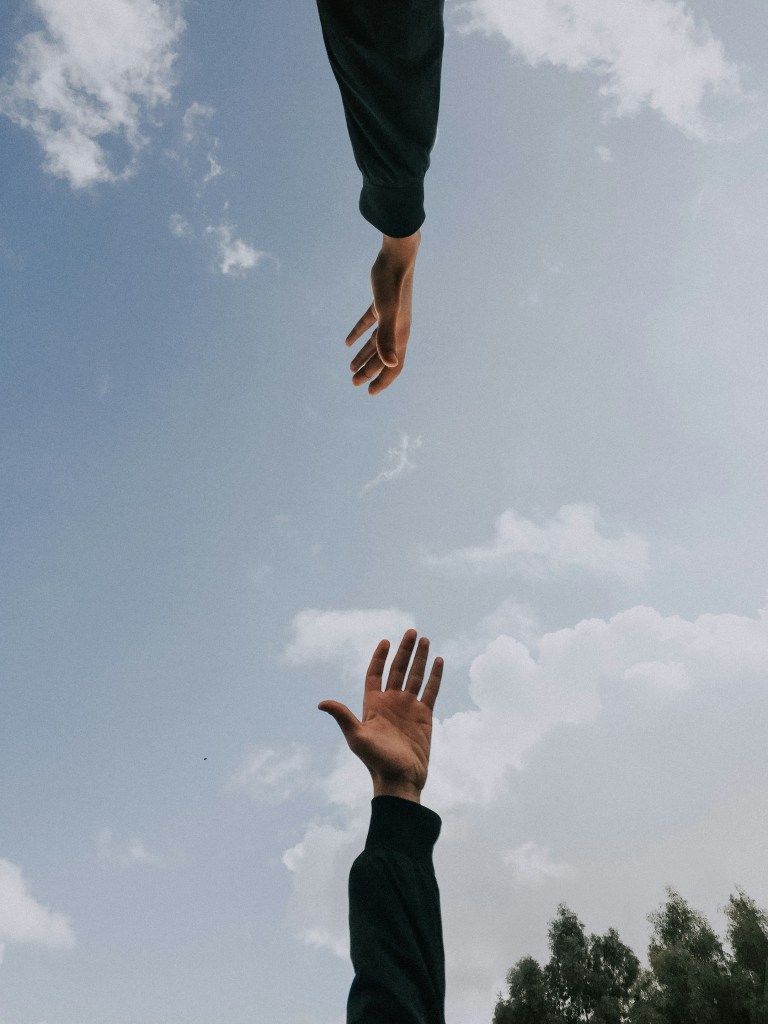
Types of therapy that help with anxiety: ✔ Cognitive Behavioral Therapy (CBT) ✔ Mindfulness-Based Therapy ✔ Exposure Therapy
If anxiety is interfering with your daily life, reaching out to a mental health professional is a powerful step toward healing.
Final Thoughts: You’re in Control

Anxiety may feel overpowering at times, but these science-backed techniques can help you regain control and find a sense of peace. Start with one or two strategies that resonate with you, and gradually build a self-care routine that supports your mental well-being.
 Mastering Anxiety