
Anxiety is a universal experience, yet it manifests differently for everyone. Some feel it as a constant hum of unease, while others experience it as waves of overwhelming panic. The good news? Anxiety is manageable. By understanding its roots and applying evidence-based strategies, you can regain control and cultivate a calmer mind. In this guide, we will explore a holistic, science-backed approach to mastering anxiety.

Understanding Anxiety: Why Does It Happen?
Anxiety is not just “worrying too much.” It is a biological response designed to protect us from threats. The brain’s amygdala, our built-in alarm system, detects potential danger and triggers the fight-or-flight response. However, in modern life, this system can misfire—treating emails, deadlines, or social situations as life-threatening dangers.

Neuroscientists have identified three main causes of chronic anxiety:
- Overactive Amygdala – Your brain perceives threats even when they don’t exist.
- Cognitive Distortions – Negative thought patterns reinforce anxious feelings.
- Physiological Triggers – Poor sleep, nutrition, and stress hormones exacerbate anxiety.
By addressing these areas, we can systematically reduce anxiety levels.
The Science of Calming the Nervous System
When anxiety strikes, our nervous system enters a heightened state. The key to managing anxiety is activating the parasympathetic nervous system, which promotes relaxation. Below are techniques that have been scientifically proven to calm the nervous system.
1. The Power of Breathwork
Breathwork is one of the fastest ways to shift from anxiety to calm. The 4-7-8 breathing technique, pioneered by Dr. Andrew Weil, is a proven method to slow down the heart rate and reduce stress.
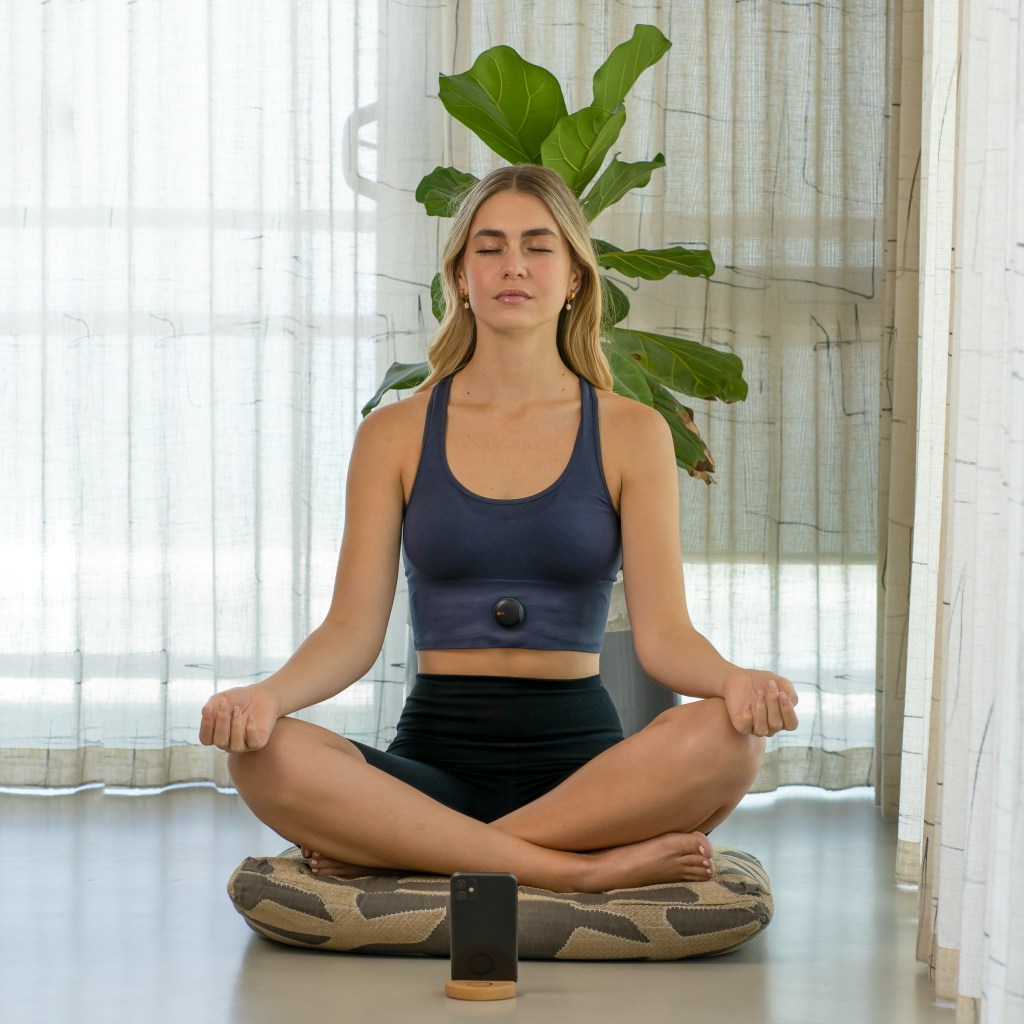
How to do it:
- Inhale deeply through your nose for 4 seconds.
- Hold your breath for 7 seconds.
- Exhale slowly through your mouth for 8 seconds.
- Repeat this cycle four times.
This technique sends a signal to the brain that you are safe, reducing the amygdala’s response.
2. Grounding Techniques: The 5-4-3-2-1 Method
When anxiety feels overwhelming, grounding techniques can pull you back into the present moment. The 5-4-3-2-1 Method uses sensory awareness to interrupt anxious thoughts.

✔ 5 things you see ✔ 4 things you can touch ✔ 3 things you hear ✔ 2 things you smell ✔ 1 thing you taste
This simple exercise reorients your focus from fear-based thoughts to immediate reality.
3. Progressive Muscle Relaxation (PMR)
Developed by Dr. Edmund Jacobson, PMR is a technique where you systematically tense and release different muscle groups to trigger relaxation.

How to practice PMR:
- Start at your feet: Tense the muscles for 5 seconds, then release.
- Move to your calves, thighs, abdomen, chest, arms, and neck.
- Pay attention to the contrast between tension and relaxation.
Studies show that PMR can lower cortisol (the stress hormone) and improve sleep quality.
Rewiring Anxious Thought Patterns
Cognitive Behavioral Therapy (CBT) has proven to be one of the most effective treatments for anxiety. It focuses on identifying and restructuring negative thought patterns.
4. Cognitive Reframing: Rewriting the Narrative
Cognitive reframing is the practice of challenging negative self-talk and replacing it with balanced, realistic thoughts.

Example: 🚫 “I’ll embarrass myself in this meeting.”
✅ “I’m prepared, and I can handle whatever happens.”
The brain adapts to the thoughts we repeatedly feed it, so consciously shifting your narrative reduces anxious thinking over time.
5. The Power of Journaling
Journaling is not just for self-expression; it is a therapeutic tool. Expressive writing, as shown in studies by Dr. James Pennebaker, reduces anxiety by helping the brain process emotions.

Try these prompts:
- What anxious thought is bothering me today?
- If my best friend had this thought, how would I respond to them?
- What are three things I’m grateful for right now?
Writing creates emotional distance, making anxieties feel less overwhelming.
Lifestyle Changes That Lower Anxiety
6. Nutrition for a Calm Mind
Your gut and brain are deeply connected. A diet rich in magnesium, omega-3s, and probiotics can reduce anxiety symptoms.

Foods that support a calmer nervous system: ✔ Dark chocolate (magnesium) ✔ Fatty fish (omega-3s) ✔ Yogurt & fermented foods (probiotics) ✔ Herbal teas (chamomile, lavender)
7. Limiting Stimulants (Caffeine & Sugar)
Excessive caffeine can mimic anxiety symptoms (racing heart, restlessness). Consider switching to green tea or matcha, which contain L-theanine—a compound that promotes relaxation without drowsiness.

The Role of Movement and Sleep
8. Exercise as an Anxiety Regulator
Physical activity reduces stress hormones and increases endorphins, making it a natural anxiety fighter.

✔ Best exercises for anxiety relief:
- Yoga (activates the parasympathetic nervous system)
- Walking (regulates breathing and heart rate)
- Strength training (builds resilience and mental toughness)
9. The Sleep-Anxiety Connection
Poor sleep exacerbates anxiety, and anxiety disrupts sleep. This vicious cycle can be broken with a structured sleep routine.

✔ Sleep tips for anxiety:
- Stick to a consistent sleep schedule.
- Avoid screens at least one hour before bed.
- Try guided meditations or soothing sounds for better sleep.
10. Seeking Professional Help: The Smartest Step
Sometimes, anxiety requires more than self-help techniques. If anxiety interferes with daily life, seeking therapy or professional guidance is a sign of strength, not weakness.

✔ Types of therapy that help with anxiety:
- Cognitive Behavioral Therapy (CBT)
- Exposure Therapy (for phobias)
- Acceptance and Commitment Therapy (ACT)
If needed, medications like SSRIs or beta-blockers can be helpful under a doctor’s supervision.
Final Thoughts: You Are Not Your Anxiety

Anxiety might feel like an uncontrollable storm, but you are the one steering the ship. By implementing these science-backed techniques, you can retrain your brain, regulate your nervous system, and find the peace you deserve.
✨ Which technique resonates with you the most? Share your thoughts in the comments!
 Mastering Anxiety