Panic attacks can be overwhelming and terrifying, often striking without warning and leaving you feeling helpless. However, there are practical strategies that can help you regain control when anxiety levels rise. In this article, we will explore the top five scientifically backed methods to manage and overcome panic attacks effectively, along with long-term strategies and recommended tools that can support your journey to anxiety relief.
(Affiliate Disclosure: This post contains affiliate links. As an Amazon Associate, I earn from qualifying purchases, at no extra cost to you.)
1. Regulated Breathing Techniques
When anxiety spikes, your breathing tends to become rapid and shallow, which can worsen symptoms like dizziness, chest tightness, and a racing heart. Practicing controlled breathing techniques can help slow down your body’s panic response and restore a sense of calm.
How to Use Breathing to Combat a Panic Attack:
🔹 4-7-8 Breathing: Inhale for four seconds, hold your breath for seven seconds, and exhale slowly for eight seconds. Repeat for a few minutes until you feel calmer.
🔹 Box Breathing: Inhale for four counts, hold for four counts, exhale for four counts, and pause for four counts before repeating.
🔹 Diaphragmatic Breathing: Place one hand on your chest and one on your stomach. Inhale deeply through your nose, allowing your belly to rise, then exhale slowly through your mouth.
These breathing exercises activate the parasympathetic nervous system, reducing the fight-or-flight response triggered by panic attacks.
Real-Life Example:
Emma, a 32-year-old marketing executive, used to struggle with panic attacks before important presentations. She found that practicing 4-7-8 breathing for just five minutes before a meeting significantly reduced her symptoms, allowing her to speak confidently without overwhelming anxiety.
Grounding techniques help divert your attention from overwhelming anxiety by focusing on the present moment. This method is particularly effective when experiencing dissociation or detachment, common symptoms during panic attacks.
Effective Grounding Techniques:
🔹 5-4-3-2-1 Method: Identify five things you see, four things you can touch, three things you hear, two things you smell, and one thing you taste.
🔹 Holding an Object: Focus on the texture, temperature, and details of an object in your hand, such as a smooth stone or a piece of fabric.
🔹 Movement-Based Grounding: Walk around, stomp your feet, or splash cold water on your face to bring yourself back to the present.
Case Study:
After experiencing a panic attack while shopping, Jake, a 27-year-old musician, started using the 5-4-3-2-1 method. He found that describing his surroundings helped him regain control faster, preventing his panic from escalating.
3. Cognitive Reframing to Challenge Anxious Thoughts
Panic attacks often stem from catastrophic thinking patterns, where your mind jumps to worst-case scenarios. Cognitive reframing involves challenging irrational fears and replacing them with more balanced, realistic thoughts.
How to Reframe Anxious Thoughts:
✔ Identify Cognitive Distortions: Recognize if you’re engaging in “all-or-nothing thinking,” catastrophizing, or overgeneralizing a situation.
✔ Ask Yourself Evidence-Based Questions:
“What is the likelihood that this fear will actually come true?”
“Have I survived similar situations before?”
“What would I tell a friend experiencing the same panic?”
✔ Use Positive Affirmations: Replace fearful thoughts with empowering statements like “This panic attack will pass” or “I am safe in this moment.”
🔹 Recommended Book for Anxiety & Cognitive Reframing: ✅ The Anxiety and Phobia Workbook – A science-backed guide to breaking free from anxious thought patterns.
4. Progressive Muscle Relaxation (PMR) to Release Tension
During a panic attack, your muscles tend to tighten as your body prepares for a perceived threat. Progressive Muscle Relaxation (PMR) is a technique designed to systematically relax different muscle groups, signaling to your brain that you are safe.
How to Practice PMR:
✔ Find a quiet space and sit or lie down comfortably.
✔ Start with your feet: Tense the muscles for five seconds, then release.
✔ Move to your calves, thighs, abdomen, hands, arms, shoulders, and jaw—tensing and releasing each muscle group.
✔ Focus on the sensation of relaxation spreading through your body.
5. Mindfulness and Acceptance to Reduce Panic’s Power
Mindfulness involves observing your thoughts and emotions without judgment, helping you accept the experience of panic without amplifying it. Instead of trying to fight a panic attack, acknowledging it can reduce its hold over you.
Mindfulness Techniques for Panic Attacks:
✔ Body Scan Meditation: Direct attention to different parts of your body, noticing sensations without reacting to them.
✔ Labeling Your Emotions: Instead of thinking “I am panicking,” try “I am experiencing anxiety, and it will pass.”
✔ Mindful Observation: Focus on something simple in your surroundings, such as the way sunlight hits a surface or the sounds around you.
🔹 Recommended Mindfulness Tools: ✅ Calm App Subscription– Guided meditations and sleep stories for anxiety relief.
Final Thoughts: Taking Control of Your Anxiety
Overcoming panic attacks requires patience and consistent practice of coping strategies. By mastering breathing techniques, grounding exercises, cognitive reframing, muscle relaxation, and mindfulness, you can significantly reduce the severity and frequency of panic attacks.
Anxiety affects millions of people worldwide, and while therapy and mindfulness are powerful tools, nutrition plays a crucial role in mental health. The foods we consume influence our brain chemistry, hormones, and stress response. In this guide, we will explore science-backed nutritional strategies to help manage anxiety naturally.
A balanced diet provides essential nutrients that regulate neurotransmitters, stabilize blood sugar levels, and reduce inflammation—all of which play key roles in mental well-being. By understanding how specific foods impact anxiety, you can make dietary choices that support a calm and focused mind.
The Gut-Brain Connection and Anxiety
The gut is often referred to as the “second brain” due to its direct communication with the central nervous system through the gut-brain axis. Studies show that an imbalanced gut microbiome can increase anxiety symptoms by affecting serotonin and dopamine production—two neurotransmitters that regulate mood.
How an Unhealthy Gut Increases Anxiety
(Affiliate Disclosure: This post contains affiliate links. As an Amazon Associate, I earn from qualifying purchases, at no extra cost to you.)
How an Unhealthy Gut Increases Anxiety
✔ Inflammation in the gut triggers stress responses in the brain. ✔ Dysbiosis (bad bacteria overgrowth) can lead to increased cortisol levels. ✔ Poor gut health can interfere with serotonin production, as 90% of serotonin is produced in the gut.
What helps?
Probiotics & Fermented Foods: Yogurt, kefir, sauerkraut, kimchi, and kombucha support healthy gut bacteria. ✅ Prebiotic-Rich Foods: Garlic, onions, bananas, and asparagus help feed beneficial gut bacteria. ✅ Fiber Intake: Whole grains, legumes, and vegetables promote gut health and reduce inflammation linked to anxiety.
Essential Nutrients for Anxiety Reduction
Certain vitamins and minerals play a critical role in reducing stress and promoting relaxation. Ensuring adequate intake of these nutrients can significantly improve mental resilience.
Magnesium: The Natural Calming Mineral
✔ Helps regulate neurotransmitters and calm the nervous system. ✔ Deficiency in magnesium is linked to increased stress and irritability. 🔹 Best sources: Spinach, almonds, pumpkin seeds, dark chocolate, cashews, black beans
Omega-3 Fatty Acids: Brain-Boosting Fats
✔ Reduce inflammation and support brain health. ✔ Lower cortisol levels and help with cognitive function. 🔹 Best sources: Fatty fish (salmon, sardines, mackerel), walnuts, flaxseeds, chia seeds.
Vitamin D: The Sunshine Vitamin
✔ Linked to mood regulation and serotonin production. ✔ Low levels are associated with increased risk of anxiety disorders. 🔹 Best sources: Sunlight, egg yolks, mushrooms, fortified dairy, cod liver oil.
B Vitamins (B6, B12, Folate): Stress Fighters
✔ Support brain function and reduce stress hormones. ✔ Help prevent mood swings and fatigue. 🔹 Best sources: Leafy greens, beans, eggs, fish, fortified cereals, beef liver.
Zinc: Essential for Neurotransmitter Balance
Plays a crucial role in modulating the body’s stress response.
Best sources: Oysters, beef, cashews, chickpeas, hemp seeds.
Best Foods to Reduce Anxiety
Incorporating these anti-anxiety foods into your daily diet can provide long-term benefits:
Incorporating these anti-anxiety foods into your daily diet can provide long-term benefits: ✅ Dark chocolate – Rich in magnesium and antioxidants that promote relaxation. ✅ Chamomile tea – Contains apigenin, a flavonoid with calming effects. Try organic chamomile tea. ✅ Turmeric – Curcumin, its active compound, reduces inflammation and anxiety. ✅ Avocados – High in healthy fats and B vitamins, essential for neurotransmitter function. ✅ Blueberries – Packed with antioxidants that reduce stress. ✅ Nuts & seeds – Provide magnesium and zinc, which support brain health. ✅ Green tea (L-theanine) – Promotes relaxation while maintaining focus. ✅Oats & whole grains – Help stabilize blood sugar and reduce mood swings.
Foods to Avoid When Managing Anxiety
Some foods can worsen anxiety symptoms by causing blood sugar spikes, increasing inflammation, or disrupting neurotransmitter balance.
🚫 Refined Sugars & Processed Foods – Cause blood sugar crashes and increase mood swings. 🚫 Caffeine – Can overstimulate the nervous system and trigger panic attacks. 🚫 Alcohol – Initially relaxing but can interfere with neurotransmitter balance and worsen anxiety long-term. 🚫 Artificial Sweeteners – Some can negatively impact gut health and brain function. 🚫 Fast Food & Fried Foods – Linked to increased risk of depression and anxiety.
Hydration & Its Role in Anxiety Management
Dehydration is often overlooked but can cause brain fog, mood swings, and increased stress.
Best hydration strategies:
✔ Drink at least 8 glasses of water per day. ✔ Incorporate herbal teas (chamomile, lemon balm, green tea). ✔ Eat water-rich foods like cucumbers, watermelon, and oranges. ✔ Limit sugary sodas and excessive caffeine.
Meal Planning for Anxiety Relief
Creating a balanced meal plan can stabilize blood sugar levels and support a calm mind. ✅ Breakfast: Scrambled eggs with spinach and whole-grain toast, plus a smoothie with berries and flaxseeds. ✅ Lunch: Grilled salmon with quinoa and roasted vegetables. ✅ Snack: Handful of walnuts and a piece of dark chocolate. ✅ Dinner: Lentil soup with a side of avocado toast. ✅ Evening drink: Chamomile tea with honey.
The Importance of Mindful Eating
Eating mindfully can enhance digestion and improve the way food affects mood.
🔹 Eat without distractions – Avoid screens and focus on your meal. 🔹 Chew slowly – Aids digestion and allows you to enjoy flavors. 🔹 Listen to hunger cues – Stop eating when you feel satisfied, not stuffed. 🔹 Practice gratitude for your meal – Helps shift focus from stress to appreciation.
Conclusion
Nutrition is a powerful tool for managing anxiety. By prioritizing nutrient-dense foods, staying hydrated, and avoiding anxiety-triggering foods, you can support both your mental and physical well-being. Small changes in your diet can lead to long-term improvements in mood, energy, and stress resilience.
🌱 Want more science-backed strategies? Read more on my blog!
Anxiety is a universal experience, yet it manifests differently for everyone. Some feel it as a constant hum of unease, while others experience it as waves of overwhelming panic. The good news? Anxiety is manageable. By understanding its roots and applying evidence-based strategies, you can regain control and cultivate a calmer mind. In this guide, we will explore a holistic, science-backed approach to mastering anxiety.
Understanding Anxiety: Why Does It Happen?
Anxiety is not just “worrying too much.” It is a biological response designed to protect us from threats. The brain’s amygdala, our built-in alarm system, detects potential danger and triggers the fight-or-flight response. However, in modern life, this system can misfire—treating emails, deadlines, or social situations as life-threatening dangers.
Neuroscientists have identified three main causes of chronic anxiety:
Overactive Amygdala – Your brain perceives threats even when they don’t exist.
Cognitive Distortions – Negative thought patterns reinforce anxious feelings.
By addressing these areas, we can systematically reduce anxiety levels.
The Science of Calming the Nervous System
When anxiety strikes, our nervous system enters a heightened state. The key to managing anxiety is activating the parasympathetic nervous system, which promotes relaxation. Below are techniques that have been scientifically proven to calm the nervous system.
1. The Power of Breathwork
Breathwork is one of the fastest ways to shift from anxiety to calm. The 4-7-8 breathing technique, pioneered by Dr. Andrew Weil, is a proven method to slow down the heart rate and reduce stress.
How to do it:
Inhale deeply through your nose for 4 seconds.
Hold your breath for 7 seconds.
Exhale slowly through your mouth for 8 seconds.
Repeat this cycle four times.
This technique sends a signal to the brain that you are safe, reducing the amygdala’s response.
2. Grounding Techniques: The 5-4-3-2-1 Method
When anxiety feels overwhelming, grounding techniques can pull you back into the present moment. The 5-4-3-2-1 Method uses sensory awareness to interrupt anxious thoughts.
✔ 5 things you see ✔ 4 things you can touch ✔ 3 things you hear ✔ 2 things you smell ✔ 1 thing you taste
This simple exercise reorients your focus from fear-based thoughts to immediate reality.
3. Progressive Muscle Relaxation (PMR)
Developed by Dr. Edmund Jacobson, PMR is a technique where you systematically tense and release different muscle groups to trigger relaxation.
How to practice PMR:
Start at your feet: Tense the muscles for 5 seconds, then release.
Move to your calves, thighs, abdomen, chest, arms, and neck.
Pay attention to the contrast between tension and relaxation.
Studies show that PMR can lower cortisol (the stress hormone) and improve sleep quality.
Rewiring Anxious Thought Patterns
Cognitive Behavioral Therapy (CBT) has proven to be one of the most effective treatments for anxiety. It focuses on identifying and restructuring negative thought patterns.
4. Cognitive Reframing: Rewriting the Narrative
Cognitive reframing is the practice of challenging negative self-talk and replacing it with balanced, realistic thoughts.
Example: 🚫 “I’ll embarrass myself in this meeting.” ✅ “I’m prepared, and I can handle whatever happens.”
The brain adapts to the thoughts we repeatedly feed it, so consciously shifting your narrative reduces anxious thinking over time.
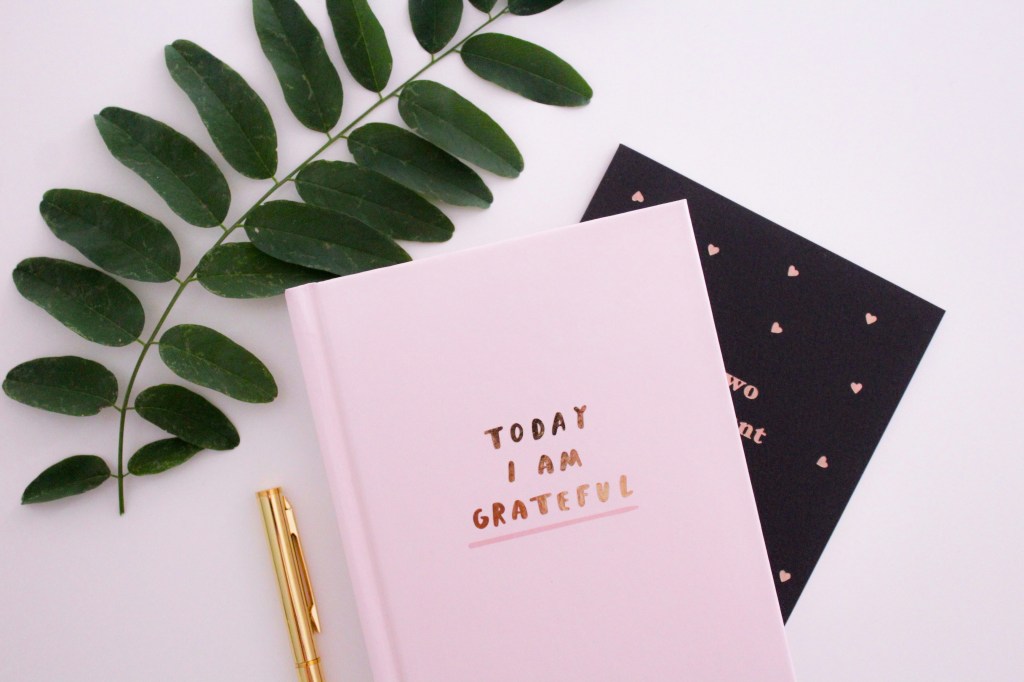
5. The Power of Journaling
Journaling is not just for self-expression; it is a therapeutic tool. Expressive writing, as shown in studies by Dr. James Pennebaker, reduces anxiety by helping the brain process emotions.
Try these prompts:
What anxious thought is bothering me today?
If my best friend had this thought, how would I respond to them?
What are three things I’m grateful for right now?
Writing creates emotional distance, making anxieties feel less overwhelming.
Lifestyle Changes That Lower Anxiety
6. Nutrition for a Calm Mind
Your gut and brain are deeply connected. A diet rich in magnesium, omega-3s, and probiotics can reduce anxiety symptoms.
Foods that support a calmer nervous system: ✔ Dark chocolate (magnesium) ✔ Fatty fish (omega-3s) ✔ Yogurt & fermented foods (probiotics) ✔ Herbal teas (chamomile, lavender)
7. Limiting Stimulants (Caffeine & Sugar)
Excessive caffeine can mimic anxiety symptoms (racing heart, restlessness). Consider switching to green tea or matcha, which contain L-theanine—a compound that promotes relaxation without drowsiness.
The Role of Movement and Sleep
8. Exercise as an Anxiety Regulator
Physical activity reduces stress hormones and increases endorphins, making it a natural anxiety fighter.
✔ Best exercises for anxiety relief:
Yoga (activates the parasympathetic nervous system)
Walking (regulates breathing and heart rate)
Strength training (builds resilience and mental toughness)
9. The Sleep-Anxiety Connection
Poor sleep exacerbates anxiety, and anxiety disrupts sleep. This vicious cycle can be broken with a structured sleep routine.
✔ Sleep tips for anxiety:
Stick to a consistent sleep schedule.
Avoid screens at least one hour before bed.
Try guided meditations or soothing sounds for better sleep.
10. Seeking Professional Help: The Smartest Step
Sometimes, anxiety requires more than self-help techniques. If anxiety interferes with daily life, seeking therapy or professional guidance is a sign of strength, not weakness.
✔ Types of therapy that help with anxiety:
Cognitive Behavioral Therapy (CBT)
Exposure Therapy (for phobias)
Acceptance and Commitment Therapy (ACT)
If needed, medications like SSRIs or beta-blockers can be helpful under a doctor’s supervision.
Final Thoughts: You Are Not Your Anxiety
Anxiety might feel like an uncontrollable storm, but you are the one steering the ship. By implementing these science-backed techniques, you can retrain your brain, regulate your nervous system, and find the peace you deserve.
✨ Which technique resonates with you the most? Share your thoughts in the comments!
Your breath is one of the most powerful tools for calming your nervous system. The 4-7-8 breathing technique, developed by Dr. Andrew Weil, is a simple yet effective way to reduce anxiety.
How to do it:
Inhale deeply through your nose for 4 seconds.
Hold your breath for 7 seconds.
Exhale slowly through your mouth for 8 seconds.
Repeat this cycle 4 times.
Studies show that controlled breathing can lower cortisol levels, the hormone responsible for stress.
Engage in Regular Exercise
Physical activity is a natural anxiety reducer. Research has found that just 30 minutes of exercise can significantly lower stress hormones and boost endorphins.
Best types of exercise for anxiety relief: ✔ Walking or jogging ✔ Yoga or stretching ✔ Strength training ✔ Dancing or aerobic workouts
Tip: If you’re feeling anxious, take a 10-minute brisk walk. Movement helps regulate emotions and clears your mind.
Try Progressive Muscle Relaxation (PMR)
PMR is a technique where you tense and then release different muscle groups to promote relaxation.
How to do it:
Start at your feet: Tense the muscles for 5 seconds, then release.
Move to your calves, thighs, abdomen, chest, arms, and neck.
Focus on the feeling of relaxation after each release.
A study published in the Journal of Clinical Psychology found that PMR helps reduce anxiety by activating the body’s relaxation response.
Reduce Caffeine & Sugar Intake
Caffeine and sugar can increase heart rate and make anxiety symptoms worse. Instead of coffee or energy drinks, opt for herbal tea like chamomile, which has been shown to promote relaxation.
Tip: Switch to green tea or matcha for a gentler caffeine source without the jitters.
Use the “5-4-3-2-1” Grounding Technique
This mindfulness exercise helps bring you back to the present moment.
✔ 5 things you can see ✔ 4 things you can touch ✔ 3 things you can hear ✔ 2 things you can smell ✔ 1 thing you can taste
By engaging your senses, you shift focus away from anxious thoughts.
Get Enough Sleep
Poor sleep increases anxiety, and anxiety makes it harder to sleep – a vicious cycle. Studies suggest that 7-9 hours of quality sleep can significantly lower stress levels.
How to improve sleep:
Stick to a regular sleep schedule.
Avoid screens at least 1 hour before bed.
Try a bedtime relaxation routine (reading, journaling, or meditation).
Keep a Journal (Write it Out!)
Journaling helps you process emotions and gain perspective on anxious thoughts. Writing things down can feel like unloading mental clutter.
Try these journal prompts:
What are 3 things I’m grateful for today?
What is one thought that’s making me anxious, and how can I reframe it?
What’s one small step I can take to feel better today?
Research from The Journal of Affective Disorders found that expressive writing significantly reduces anxiety and depressive symptoms.
Limit News & Social Media Consumption
Too much negative news and endless social media scrolling can increase anxiety levels. Try setting time limits for social media and news consumption.
Tip: Use the “Do Not Disturb” feature on your phone to create tech-free time
Try Aromatherapy (Essential Oils for Anxiety)
Scents have a powerful effect on the brain. Essential oils like lavender, chamomile, and frankincense activate relaxation responses.
✔ Add a few drops of lavender oil to a diffuser. ✔ Apply diluted essential oil to pulse points (wrists, temples, neck). ✔ Use scented candles or herbal bath salts for a calming environment.
Seek Professional Help When Needed
There’s no shame in seeking support. Therapy, counseling, or coaching can provide personalized techniques for managing anxiety effectively.
Types of therapy that help with anxiety: ✔ Cognitive Behavioral Therapy (CBT) ✔ Mindfulness-Based Therapy ✔ Exposure Therapy
If anxiety is interfering with your daily life, reaching out to a mental health professional is a powerful step toward healing.
Final Thoughts: You’re in Control
Anxiety may feel overpowering at times, but these science-backed techniques can help you regain control and find a sense of peace. Start with one or two strategies that resonate with you, and gradually build a self-care routine that supports your mental well-being.
Anxiety and stress are common challenges in modern life, but developing daily habits can help you stay calm, centered, and resilient. Small, intentional actions practiced consistently can significantly impact your mental well-being. In this guide, we explore effective habits that can help you reduce anxiety and stress naturally
Start Your Day with Mindfulness
Mornings set the tone for the entire day. Practicing mindfulness within the first 30 minutes after waking up can help you feel grounded and prepared to handle daily stressors.
How to Practice Mindfulness in the Morning:
Take deep breaths before getting out of bed.
Spend 5-10 minutes in meditation or guided breathing.
Avoid checking your phone or social media immediately upon waking.
Express gratitude for three things in your life.
Maintain a Consistent Sleep Schedule
Poor sleep is a major contributor to anxiety and stress. A structured sleep schedule ensures that your body and mind are well-rested, making you more resilient to stress throughout the day.
Tips for Better Sleep:
Go to bed and wake up at the same time every day.
Avoid caffeine and screen time at least an hour before bed.
Create a relaxing bedtime routine with dim lighting and calming music.
Keep your bedroom cool, dark, and quiet for optimal sleep quality.
Engage in Physical Activity
Exercise is one of the most effective ways to reduce anxiety and stress. Physical movement releases endorphins, which improve mood and help combat negative thoughts.
Simple Ways to Incorporate Movement into Your Day:
Take a 20-minute walk outdoors.
Practice yoga or stretching exercises.
Do a quick home workout or dance to your favorite music.
Take the stairs instead of the elevator when possible.
Limit Caffeine and Sugar Intake
While coffee and sugary snacks provide short-term energy boosts, they can also contribute to heightened anxiety and energy crashes. Reducing consumption can help regulate your mood and prevent stress spikes.
Healthier Alternatives:
Drink herbal tea instead of coffee in the afternoon.
Choose whole foods like nuts, fruits, and protein-rich snacks.
Stay hydrated with water throughout the day.
Practice Deep Breathing Exercises
Deep breathing helps activate the body’s relaxation response, reducing heart rate and promoting a sense of calm.
Simple Breathing Techniques:
4-7-8 Breathing: Inhale for 4 seconds, hold for 7 seconds, exhale for 8 seconds.
Box Breathing: Inhale for 4 seconds, hold for 4 seconds, exhale for 4 seconds, hold for 4 seconds.
Diaphragmatic Breathing: Focus on breathing deeply into your belly rather than shallow chest breathing.
Take Breaks and Avoid Overworking
Pushing yourself too hard can lead to burnout, which increases anxiety. Taking breaks throughout the day helps maintain mental clarity and productivity.
How to Implement Breaks:
Follow the Pomodoro Technique: Work for 25 minutes, then take a 5-minute break.
Step outside for fresh air during breaks.
Do a short stretching routine if you work at a desk.
Allow yourself time for hobbies or relaxation in the evening.
Connect with Loved Ones
Social connections are crucial for mental well-being. Talking to friends, family, or supportive communities can provide comfort and a sense of belonging.
Ways to Foster Social Connections:
Schedule weekly phone or video calls with loved ones.
Join support groups or community activities.
Spend quality time with family members without distractions.
Express gratitude and appreciation towards others.
Keep a Journal to Process Your Thoughts
Writing down your thoughts and emotions can be a therapeutic way to manage anxiety and stress.
Journaling Prompts for Mental Clarity:
What are three things that went well today?
What is one challenge you faced and how did you handle it?
What emotions are you experiencing right now, and what might be causing them?
What are three things you are grateful for today?
Reduce Screen Time and Digital Overload
Constant exposure to news, notifications, and social media can overwhelm the mind, increasing stress levels. Setting boundaries with technology helps create a healthier mental space.
Ways to Reduce Screen Time:
Set limits on social media usage with screen time apps.
Avoid using your phone before bedtime.
Schedule tech-free hours during the day to focus on real-life interactions.
Engage in offline activities like reading, drawing, or outdoor hobbies.
Develop a Relaxing Nighttime Routine
Ending the day with a calming routine can help you unwind and prepare for restful sleep, reducing next-day anxiety.
Ideas for a Calming Night Routine:
Take a warm bath or shower before bed.
Read a book instead of scrolling on your phone.
Practice light stretching or yoga.
Listen to soothing music or guided meditations.
Write in a gratitude journal before sleeping.
Final Thoughts
Incorporating these daily habits into your routine can help you reduce anxiety and stress naturally. Remember, small changes can make a significant impact over time. Consistency is key!
Which of these habits do you already practice? Let me know in the comments!
🌿 For more tips on managing anxiety, visit masteringanxiety.wordpress.com
In today’s fast-paced world, stress and uncertainty are unavoidable. However, the ability to remain calm and adapt to challenges is what sets mentally resilient individuals apart. Mental resilience is not about avoiding stress but rather developing the strength to bounce back and navigate difficult situations with confidence.
In this article, we will explore effective ways to build mental resilience, manage stress, and cultivate a strong mindset that allows you to handle life’s toughest moments with ease.
Understanding Mental Resilience
Mental resilience is the ability to adapt positively to adversity, trauma, or stress. It is the psychological strength that allows individuals to manage challenges, recover from setbacks, and maintain a sense of balance. Research has shown that resilience is not an inborn trait but a skill that can be developed with practice.
Key characteristics of mentally resilient individuals include:
Self-awareness – Understanding your emotions and reactions.
Optimism – Maintaining a positive outlook despite difficulties.
Self-efficacy – Confidence in one’s ability to solve problems.
Support networks – Having strong relationships and social support.
Reframing Your Mindset
One of the most effective ways to build resilience is to shift your perspective. Instead of seeing challenges as obstacles, view them as opportunities for growth.
Practical Strategies:
Adopt a Growth Mindset – Believe that challenges help you grow and improve.
Reframe Negative Thoughts – Replace “I can’t handle this” with “I am learning how to overcome this.”
Practice Gratitude – Focus on what is going well rather than what is wrong.
Challenge Catastrophic Thinking – Avoid assuming the worst-case scenario; instead, ask yourself what’s the most realistic outcome.
Developing Emotional Regulation
Managing emotions is crucial for mental resilience. The ability to stay calm under pressure allows you to think more clearly and make better decisions.
Techniques to Improve Emotional Regulation:
Deep Breathing – The 4-7-8 breathing technique helps activate the parasympathetic nervous system, reducing stress.
Mindfulness Meditation – Helps you stay present and reduces overthinking.
Journaling – Writing down your thoughts and emotions can provide clarity and reduce anxiety.
Cognitive Reappraisal – Ask yourself: “Is this situation really as bad as I think?”
Strengthening Problem-Solving Skills
Resilient individuals don’t dwell on problems—they focus on solutions. Developing strong problem-solving skills allows you to face adversity with confidence.
Steps to Strengthen Problem-Solving:
Identify the Problem – Clearly define what is causing stress.
Brainstorm Solutions – Write down multiple ways to address the issue.
Evaluate Options – Weigh the pros and cons of each approach.
Take Action – Implement the best solution and assess the results.
Adjust if Necessary – If one solution doesn’t work, try another.
Building a Strong Support Network
Social support plays a significant role in mental resilience. Having a trusted network of friends, family, or mentors can provide emotional encouragement and practical advice.
Ways to Strengthen Your Support System:
Connect Regularly – Make time for meaningful conversations with loved ones.
Join Support Groups – Engage in communities that share similar experiences.
Seek Professional Guidance – Therapy or coaching can offer valuable coping strategies.
Give and Receive Support – Helping others can also strengthen your resilience.
Practicing Self-Care
Taking care of your physical and emotional well-being enhances resilience. A healthy lifestyle supports mental strength and improves the ability to cope with stress.
Prioritize Sleep – Aim for 7-9 hours of quality sleep each night.
Eat a Balanced Diet – Nutrient-rich foods improve mood and cognitive function.
Engage in Relaxing Activities – Reading, listening to music, or spending time in nature can help recharge your mind.
Setting Realistic Goals and Taking Action
Resilient individuals set achievable goals and take proactive steps toward success. By breaking larger challenges into smaller tasks, you can maintain motivation and a sense of accomplishment.
SMART Goal-Setting Framework:
Specific – Define clear and precise objectives.
Measurable – Track your progress.
Achievable – Set realistic goals that match your capabilities.
Relevant – Focus on what truly matters to you.
Time-bound – Set deadlines to stay accountable.
Learning from Setbacks
Failure is a part of life, but it does not define your future success. Mentally resilient people see setbacks as learning experiences rather than personal defeats.
How to Learn from Failure:
Analyze What Went Wrong – Identify the factors that contributed to the outcome.
Adjust Your Approach – Modify strategies to improve future performance.
Stay Persistent – Resilience is about perseverance and trying again.
Seek Feedback – Constructive criticism helps refine your skills.
Staying Flexible and Adaptable
Adaptability is a cornerstone of resilience. The more flexible you are in handling change, the easier it becomes to manage stress and uncertainty.
Ways to Increase Adaptability:
Stay Open-Minded – Be willing to explore new perspectives and ideas.
Embrace Change – View change as an opportunity for growth rather than a threat.
Develop Multiple Plans – Have contingency strategies in case things don’t go as expected.
Practice Stress Tolerance – Learn to stay calm and focused in unpredictable situations.
Conclusion
Building mental resilience takes time and effort, but the benefits are invaluable. By developing a positive mindset, managing emotions, strengthening problem-solving skills, and nurturing supportive relationships, you can enhance your ability to handle stress effectively.
Remember, resilience is not about avoiding difficulties—it’s about facing them with confidence and growing stronger through experience. Start implementing these strategies today, and you will be better prepared to navigate life’s challenges with resilience and strength.
Anxiety is a common challenge in today’s fast-paced world. Mindfulness, a practice rooted in being present, has been scientifically proven to reduce stress, lower anxiety, and improve overall well-being. In this guide, we’ll explore how daily mindfulness can help you regain control over anxious thoughts and provide simple techniques you can start using today.
What is Mindfulness?
Mindfulness is the practice of being fully present in the moment without judgment. It helps break the cycle of overthinking and worrying about the future—common triggers of anxiety. When you focus on what’s happening right now, your mind has less space for stress.
Key benefits of mindfulness: ✅ Lowers stress hormone levels ✅ Improves focus and concentration ✅ Reduces negative thought patterns ✅ Helps regulate emotions and reactions
The Science Behind Mindfulness and Anxiety Reduction
Studies from Harvard, Stanford, and UCLA have shown that regular mindfulness practice changes brain activity.
🔬 Research Highlights: 📌 A Harvard study found that just 8 weeks of mindfulness practice reduces the size of the amygdala (the brain’s fear center). 📌 A study in JAMA Psychiatry showed that mindfulness meditation is as effective as prescription medication for treating anxiety disorders. 📌 MRI scans reveal that mindfulness increases gray matter in the prefrontal cortex, which controls rational thinking and emotional balance.
💡 This means that mindfulness actually rewires your brain to be less reactive to stress!
5 Simple Mindfulness Practices to Reduce Anxiety
1️⃣ The 4-7-8 Breathing Technique
Best for: Calming the nervous system in moments of high anxiety.
🟢 How to do it:
Inhale deeply through your nose for 4 seconds.
Hold your breath for 7 seconds.
Exhale slowly through your mouth for 8 seconds.
Repeat this cycle 4-5 times.
🔹 Why it works? This method slows your heart rate and activates the parasympathetic nervous system, promoting relaxation.
Instead of walking on autopilot, try walking with full awareness: ✅ Focus on the sensation of your feet touching the ground. ✅ Notice the rhythm of your breath as you walk. ✅ Observe sounds, colors, and shapes around you.
💡 Studies show that mindful walking significantly reduces cortisol (the stress hormone).
3️⃣ The “5-4-3-2-1” Grounding Exercise
Best for: Panic attacks and overwhelming anxiety.
This technique engages your senses to shift your focus away from anxious thoughts.
🔹 How to do it:
5 things you can SEE (a tree, your hands, a book).
4 things you can TOUCH (your clothes, chair, desk).
3 things you can HEAR (birds, distant voices, wind).
2 things you can SMELL (coffee, fresh air).
1 thing you can TASTE (gum, tea, mint).
💡 This method brings your awareness back to the present, breaking the anxiety loop.
📌 Want more mindfulness techniques? Try Calm Premium – Start here
4️⃣ Daily Gratitude Reflection
Best for: Reducing stress and shifting focus from anxiety to positivity.
How to do it: 🔹 Each morning or night, write down 3 things you’re grateful for. 🔹 Be specific! Instead of “I’m grateful for my family,” write “I’m grateful for the kind words my mom shared today.”
💡 A study from UC Berkeley found that people who practice gratitude have 23% lower cortisol levels.
5️⃣ Body Scan Meditation
Best for: Relaxing a tense body caused by anxiety.
🔹 How to do it:
Lie down or sit comfortably.
Focus on one body part at a time, from your toes to your head.
Notice any tension and allow it to release with each breath.
How to Build a Daily Mindfulness Routine
Morning Ritual (5 minutes)
✅ Start with mindful breathing (4-7-8 technique). ✅ Set a positive intention for the day.
Afternoon Reset (10 minutes)
✅ Take a mindful walk or do a quick body scan meditation. ✅ Use the 5-4-3-2-1 technique if stress builds up.
Evening Wind-Down (15 minutes)
✅ Reflect on 3 things you’re grateful for. ✅ Listen to a guided sleep meditation to ensure deep rest.
Mindfulness and Technology – Finding the Right Tools
📌 Best apps for mindfulness and anxiety relief: 1️⃣ Calm – Guided meditation, sleep stories, breathing exercises. 2️⃣ Headspace – Mindfulness coaching and stress reduction. 3️⃣ Insight Timer – Free meditations and relaxation music.
Final Thoughts: Small Steps Lead to Big Changes
✅ Practicing mindfulness for just 10 minutes a day can transform how you deal with anxiety. ✅ The key is consistency – make mindfulness a habit! ✅ Use tools like Calm to support your journey.
Overthinking is like a mental treadmill—your thoughts keep running, but you never reach a destination. If you’ve ever found yourself replaying conversations, worrying about things you can’t control, or getting stuck in “what-if” scenarios, you’re not alone. Overthinking can be exhausting, leading to anxiety, stress, and even insomnia.
But the good news is that you can break free from the cycle of overthinking and regain your mental peace. In this guide, we’ll explore practical strategies to help you calm your mind, shift your focus, and live more peacefully.
Recognize When You’re Overthinking
The first step to overcoming overthinking is awareness. Many people don’t even realize they’re stuck in an overthinking loop until it starts affecting their mood and energy levels.
✅ Common signs of overthinking:
Constantly replaying past conversations or events.
Worrying about things that haven’t happened yet.
Struggling to make decisions because you fear making the wrong choice.
Creating worst-case scenarios in your head.
📌 Action Step: Next time you catch yourself overthinking, pause and ask: “Am I solving a real problem, or am I just creating stress for myself?”
Shift Your Perspective – Ask the Right Questions
Overthinking often comes from focusing on things you can’t control. Instead of getting lost in negative thoughts, try shifting your perspective with better questions.
🚫 “What if I fail?” → ✅ “What can I do to improve my chances of success?” 🚫 “Why did they say that?” → ✅ “Does their opinion define my self-worth?” 🚫 “What if everything goes wrong?” → ✅ “What if everything goes right?”
📌 Action Step: Every time you catch yourself overthinking, ask: “Is this thought helping me or hurting me?”
Set Time Limits for Decision-Making
One of the biggest triggers of overthinking is indecision. The more time you spend analyzing every possible outcome, the harder it becomes to make a choice.
✅ How to stop overanalyzing decisions:
Set a time limit for making decisions (e.g., “I will decide within 10 minutes”).
Use the 80/20 rule – focus on the most important factors and let go of minor details.
Remind yourself that no decision is perfect, and mistakes are part of learning.
📌 Action Step: If you find yourself stuck on a decision, set a 5-minute timer and commit to choosing before it runs out.
Break the Cycle with Mindfulness
Mindfulness is one of the most powerful tools for stopping overthinking. It helps you stay in the present moment instead of getting lost in past regrets or future worries.
✅ Ways to practice mindfulness:
Deep breathing exercises (Try the 4-7-8 breathing technique).
Meditation apps like Headspace or Calm.
Grounding exercises, such as the 5-4-3-2-1 technique (identify 5 things you see, 4 you can touch, 3 you hear, 2 you smell, and 1 you taste).
📌 Action Step: When overthinking strikes, take three deep breaths, focus on the sensations around you, and bring your mind back to the present.
Take Action – Overcome the “Analysis Paralysis”
Overthinking often prevents you from taking action. You keep thinking about what you should do instead of actually doing it. The best way to break this cycle is to take small, immediate steps.
✅ How to shift from thinking to doing:
Instead of worrying about a big goal, break it into tiny actions.
If you’re anxious about an email, send it now instead of rewriting it ten times.
If you’re overthinking starting a new habit, just do it for 2 minutes instead of aiming for perfection.
📌 Action Step: Whatever you’re overthinking about, take one small action right now—even if it’s just writing down a plan.
Practice
Many people overthink because they fear failure or judgment. But the truth is, nobody is perfect, and mistakes are part of growth.
✅ How to be kinder to yourself:
Talk to yourself like you would talk to a friend.
Accept that you don’t need to have everything figured out.
Remember that you are more than your thoughts.
📌 Action Step: Next time you catch yourself being overly self-critical, ask: “Would I say this to a close friend?”
Distract Yourself with Activities That Engage Your Mind
One of the simplest ways to stop overthinking is to redirect your focus. Engage in activities that require your full attention so your mind has less room for anxious thoughts.
✅ Best activities to break the overthinking cycle:
Exercise – Go for a walk, do yoga, or lift weights.
Creative hobbies – Paint, write, or play music.
Physical tasks – Clean your room, organize your desk, or cook a new recipe.
📌 Action Step: Make a list of go-to distractions that help shift your focus when you start overthinking.
Create an Evening Routine to Calm Your Mind
Overthinking often peaks at night, making it hard to fall asleep. Creating a relaxing bedtime routine can help you quiet your mind.
✅ Nighttime habits to reduce overthinking:
Write down your thoughts in a journal to clear your mind before bed.
Avoid screens and social media at least 30 minutes before sleep.
Listen to calming music or a guided meditation.
📌 Action Step: Start a nightly “brain dump” journal, where you write down everything on your mind before going to bed.
Final Thoughts: You Are Not Your Thoughts
Overthinking can feel like an endless battle, but remember: your thoughts don’t define you. By practicing mindfulness, taking action, and shifting your perspective, you can break free from the cycle and regain your mental peace.
💬 Which of these strategies has helped you the most? Share your thoughts in the comments! 😊
Stress is an inevitable part of life, but the way we respond to it can greatly impact our mental and physical well-being. Whether facing workplace challenges, important life decisions, or daily worries, there are effective strategies to help you stay calm.
Deep Breathing – Activate Your Relaxation Response
One of the fastest ways to calm yourself in stressful situations is through deep breathing. When stressed, your breathing becomes shallow, increasing feelings of panic. ✅ How to apply?
Try the 4-7-8 technique: Inhale through your nose for 4 seconds, hold your breath for 7 seconds, and exhale through your mouth for 8 seconds.
Repeat this cycle 3-5 times until you feel more relaxed.
How Deep Breathing Saved Me from an Anxiety Spiral
I remember the first time I truly understood the power of deep breathing. It was a regular Monday morning, or so I thought. I had a big presentation at work, one that could determine the success of an important project. As I sat in the conference room waiting for my turn, I suddenly felt my heart pounding like a drum. My hands got clammy, my chest tightened, and my thoughts raced uncontrollably: What if I mess up? What if I forget what to say?
The more I panicked, the more I struggled to breathe. I could feel my body tensing up, my vision narrowing. That’s when I remembered something I had read about—the 4-7-8 breathing technique.
Desperate to regain control, I closed my eyes for a moment and silently counted:
🔹 Inhale through my nose for 4 seconds – filling my lungs slowly. 🔹 Hold my breath for 7 seconds – letting my body absorb the oxygen. 🔹 Exhale gently through my mouth for 8 seconds – releasing the tension.
I repeated the cycle three times, and something incredible happened. My heartbeat slowed, my mind stopped spiraling, and my muscles loosened. It felt like I had reset my entire nervous system.
By the time I was called up to present, I was still a bit nervous, but no longer overwhelmed. I spoke clearly, my voice steady. I got through it—all because I took a few deep breaths.
Since that day, deep breathing has become my secret weapon against anxiety. Whenever I feel stress creeping in, I pause, breathe, and reset. It reminds me that I am always in control of my body, even when my mind tries to convince me otherwise.
💬 Have you ever used deep breathing to manage stress? Share your experience in the comments
Mindfulness – Stay Present and Grounded
Stress often arises from worrying about the future or dwelling on the past. Mindfulness techniques help you focus on the present moment and reduce anxiety. ✅ How to apply?
Try the 5-4-3-2-1 grounding technique: Identify 5 things you see, 4 things you can touch, 3 things you hear, 2 things you can smell, and 1 thing you can taste.
This method shifts your focus away from stress and brings you back to reality.
How Mindfulness Helped Me Escape an Anxiety Spiral
A few months ago, I found myself sitting alone in a coffee shop, overwhelmed by racing thoughts. I had just received an email that made my stomach drop—something at work had gone wrong, and I was sure it was my fault. My mind spiraled into worst-case scenarios: What if I lose my job? What if I can’t fix this? What if I disappoint everyone?
My heart started pounding, my hands trembled slightly, and I felt that familiar tightness in my chest. It was happening again—another anxiety spiral. I knew I had to do something before I lost control completely.
Then, I remembered something I had read about the 5-4-3-2-1 grounding technique. I decided to give it a try.
🔹 5 things I could see – The coffee mug in front of me, a woman typing on her laptop, a framed picture on the wall, the steam rising from my drink, the pattern on the wooden table. 🔹 4 things I could touch – The warmth of the cup in my hands, the smooth surface of my phone, the fabric of my sweater, the cool metal of the spoon. 🔹 3 things I could hear – Soft jazz music playing in the background, the hum of conversation, the sound of a spoon clinking against a cup. 🔹 2 things I could smell – Freshly brewed coffee and the faint scent of vanilla from my drink. 🔹 1 thing I could taste – The slight bitterness of my coffee, mixed with a hint of caramel.
By the time I reached the last step, my heart rate had slowed, my breathing was steady, and my anxious thoughts had faded. I wasn’t panicking anymore—I was present. The problem still existed, but at that moment, I was okay.
That day, I realized the power of mindfulness. I still face stressful situations, but now I have a tool that keeps me grounded. No matter how chaotic my thoughts get, the present moment is always within reach.
💬 Have you ever used mindfulness to stop an anxiety spiral? Share your experience in the comments! 😊
Shift Your Perspective – Focus on What You Can Control
When under stress, we tend to focus on things beyond our control. Instead, redirect your attention to what you can influence. ✅ How to apply?
Ask yourself: “Can I do something about this? If not, why stress over it?”
Visualize a positive outcome rather than expecting the worst.
How Changing My Perspective Helped Me Overcome Anxiety
A few years ago, I was stuck in a pattern of overthinking and stressing over things I couldn’t control. I would replay conversations in my head, worry about how people perceived me, and obsess over possible failures that hadn’t even happened yet. My mind was constantly in “what if” mode, and it was exhausting.
One evening, after a particularly stressful day at work, I sat down with my journal and asked myself a simple question: “Can I control this?”
I started listing the things I was worried about: 🔹 What if my boss isn’t happy with my work? 🔹 What if my friend is upset with me for canceling plans? 🔹 What if something unexpected ruins my plans next week?
Then, I made two columns: “Things I Can Control” vs. “Things I Can’t Control.”
To my surprise, most of my worries fell into the second column. I had no control over how my boss felt, what my friend thought, or unpredictable events in the future. But I could control how I prepared for work, how I communicated with my friend, and how I responded to changes.
That night, I made a decision: I would only focus on what I could control and let go of the rest.
The next time my mind started spiraling, I reminded myself: If I can’t change it, I won’t waste energy on it. This shift in perspective didn’t make my problems disappear, but it gave me back my peace of mind.
💬 Have you ever changed your mindset to overcome stress? Share your experience in the comments! 😊
Physical Activity – Move Your Body, Calm Your Mind
Exercise reduces cortisol (the stress hormone) and increases endorphins, which improve mood. ✅ How to apply?
A simple 10-minute walk can make a huge difference.
If indoors, do a few squats, push-ups, or stretches.
Yoga and light exercises can have a calming effect on both body and mind.
How Exercise Became My Escape from Anxiety
A year ago, I found myself trapped in a cycle of constant overthinking. My anxiety was at its peak, and every little thing felt overwhelming. I struggled with racing thoughts, sleepless nights, and a sense of restlessness that never seemed to fade. Nothing seemed to help—until one day, out of frustration, I decided to go for a walk.
It wasn’t anything special—just a slow, aimless walk around my neighborhood. But within a few minutes, I noticed something strange. My thoughts, which had been spiraling just moments before, started to slow down. The fresh air felt cool against my skin, and for the first time that day, I took a deep breath without feeling tightness in my chest.
The next day, I walked again. This time, I picked up the pace, feeling my heart rate increase. By the end of the week, I was walking every morning, and I realized something—I felt lighter, both physically and mentally.
Soon, I started trying other forms of movement—stretching, yoga, even a few bodyweight exercises at home. Each time I moved my body, my mind felt clearer. It was as if my worries couldn’t keep up with me while I was in motion.
Exercise became more than just an activity—it became my escape, my reset button. Now, whenever anxiety starts creeping in, I know exactly what to do: get up, get moving, and let the stress melt away.
💬 Have you ever used physical activity to manage stress? Share your experience in the comments! 😊
Combine Deep Breathing with Positive Affirmations
Pairing deep breathing with affirmations can significantly reduce stress. ✅ How to apply?
While inhaling, tell yourself: “I am calm and in control.”
While exhaling, imagine stress leaving your body.
Repeat the affirmation until you feel a shift in your mood.
How Deep Breathing and Affirmations Helped Me Overcome Anxiety
A few months ago, I found myself in the middle of an overwhelming anxiety attack. It came out of nowhere—I was sitting at my desk, trying to focus on my work, when suddenly, my heart started racing. My hands felt cold, my chest tightened, and I could feel panic creeping in.
I had experienced anxiety before, but this time was different. I couldn’t think clearly, and every attempt to calm down only made me more frustrated. That’s when I remembered something a friend had told me about: combining deep breathing with affirmations.
Desperate for relief, I closed my eyes and placed a hand on my chest. I took a slow, deep breath in through my nose and silently repeated in my mind:
🟢 “I am calm and in control.”
I held my breath for a moment and then exhaled through my mouth, imagining all the stress leaving my body.
I repeated the process. Inhale—”I am safe.”Exhale—”This feeling will pass.”
With each breath, my heart rate slowed. My muscles relaxed. My thoughts, which had been racing moments ago, started to quiet down.
By the time I opened my eyes, the panic had faded. I wasn’t completely anxiety-free, but I felt grounded again. Since that day, deep breathing and affirmations have become my go-to tools whenever I feel stress building up. They remind me that, no matter how overwhelming my emotions get, I have the power to bring myself back to a place of peace.
💬 Have you ever used affirmations to calm anxiety? Share your thoughts in the comments! 😊
Conclusion
Stress is a natural part of life, but your response to it can change. By incorporating breathing exercises, mindfulness, physical activity, and a shift in perspective, you can maintain inner peace even in the most challenging moments.
💬 Which technique helps you stay calm the most? Share your thoughts in the comments! 😊
Anxiety can be overwhelming, but the good news is that you can take control of it. In this article, we’ll explore five powerful techniques to help you manage stress and regain peace of mind. Plus, we’ll recommend helpful products available on Amazon that can support your journey to overcoming anxiety.
Why Managing Anxiety is Important
Anxiety is a natural response to stress, but when it becomes chronic, it can negatively impact your mental and physical health. Racing thoughts, a pounding heartbeat, and difficulty focusing can make daily tasks challenging. If left unmanaged, anxiety can lead to serious conditions like insomnia, fatigue, and even depression.
Learning how to manage anxiety is crucial for overall well-being. With the right strategies—such as deep breathing, mindfulness, and journaling—you can regain control over your thoughts and emotions, improving your quality of life. Are you ready to take control of your anxiety? Here are five powerful techniques to help you find inner peace.
5 Powerful Techniques to Overcome Anxiety
Anxiety is a natural response to stress, but when it becomes overwhelming, it can interfere with daily life. Many people experience racing thoughts, restlessness, and physical symptoms such as a rapid heartbeat or shortness of breath. The good news is that anxiety can be managed with effective techniques that help restore calm and control. Here are five powerful methods to overcome anxiety.
1. Deep Breathing Exercises
Deep Breathing Exercises
Controlled breathing is one of the fastest ways to reduce anxiety. The 4-7-8 breathing technique helps activate your body’s relaxation response, slowing your heart rate and calming your mind.
How the 4-7-8 Breathing Technique Helped Me Overcome Anxiety
I never thought something as simple as breathing could change my life—until the day I desperately needed it.
A few months ago, I was sitting in my car, gripping the steering wheel, trying to convince myself to go inside. I had a big meeting that morning, and my anxiety was at an all-time high. My heart was pounding, my hands were sweaty, and my thoughts were racing. What if I mess up? What if I forget what to say? What if everyone notices I’m anxious?
I could feel the panic rising, my breath becoming short and shallow. I knew I had to do something before my anxiety completely took over. That’s when I remembered a technique I had read about—4-7-8 breathing.
With no other option, I closed my eyes and gave it a try:
🔹 Inhale deeply through my nose for 4 seconds – filling my lungs completely. 🔹 Hold my breath for 7 seconds – letting the oxygen settle in my body. 🔹 Exhale slowly through my mouth for 8 seconds – releasing the tension.
I repeated the cycle three times, and something incredible happened. My heart rate slowed, my hands stopped shaking, and my thoughts became clearer. The panic that had felt so overwhelming just moments before had faded into the background.
By the time I walked into the meeting, I wasn’t completely anxiety-free, but I was in control. That’s when I realized—I had a tool to fight back against anxiety.
Since that day, 4-7-8 breathing has become my go-to technique whenever I feel stress creeping in. It reminds me that no matter how overwhelming my emotions feel, I always have control over my breath—and that makes all the difference.
💬 Have you ever tried the 4-7-8 breathing technique? Share your experience in the comments! 😊
2. Cognitive Behavioral Therapy (CBT) Techniques
Cognitive Behavioral Therapy (CBT) helps you identify and reframe negative thoughts. When you feel anxious, challenge your thinking by asking:
Is this fear based on facts, or is my mind exaggerating?
What is the most realistic outcome?
What would I tell a friend in this situation?
By questioning anxious thoughts and replacing them with realistic ones, you take back control.
For the longest time, I believed every anxious thought that crossed my mind. If I had a presentation at work, I was convinced I would mess up. If a friend didn’t text me back right away, I assumed they were mad at me. My mind was constantly filled with worst-case scenarios, and I felt powerless to stop them.
One evening, after a particularly stressful day, I came across something called Cognitive Behavioral Therapy (CBT). The idea was simple: challenge your thoughts instead of automatically believing them. It sounded too good to be true, but I decided to try it.
The next time my anxiety kicked in, I paused and asked myself:
🔹 Is this fear based on facts, or is my mind exaggerating? 🔹 What is the most realistic outcome? 🔹 What would I tell a friend if they had this thought?
A few days later, I had an important meeting. My usual thought pattern was: “I will fail. Everyone will notice how nervous I am.” But this time, I caught myself. Instead, I reframed my thought:
✔ “I am prepared, and I will do my best.” ✔ “Even if I feel nervous, it doesn’t mean I will fail.”
To my surprise, I felt calmer. The more I practiced this technique, the easier it became. I started replacing my anxious thoughts with more balanced ones, and over time, my anxiety lost its grip on me.
CBT taught me a powerful lesson: my thoughts are not always facts. By questioning them and choosing more realistic perspectives, I finally took control of my anxiety.
💬 Have you ever tried CBT techniques to challenge negative thoughts? Share your experience in the comments! 😊
3. Meditation and Mindfulness
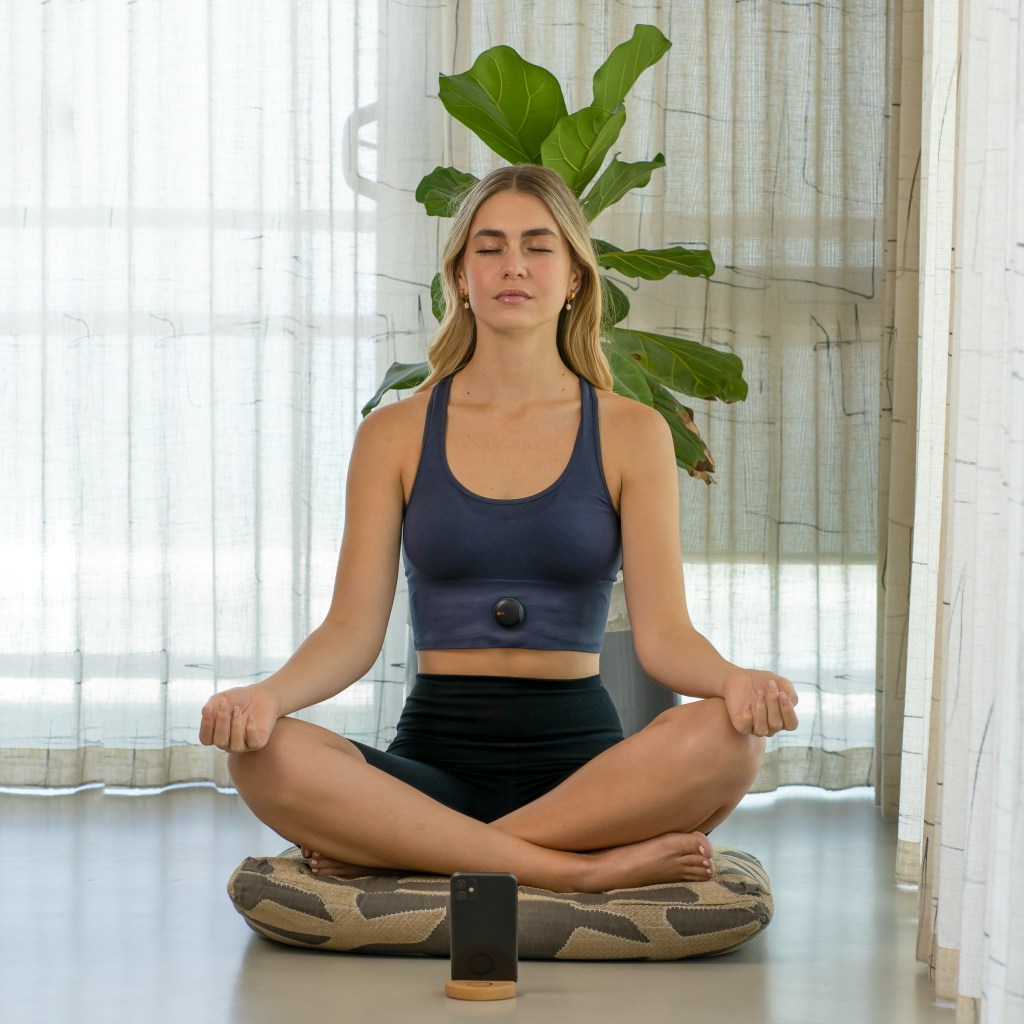
Practicing mindfulness meditation helps you stay present instead of worrying about the future. Using guided meditation apps like Headspace or Calm can train your mind to observe thoughts without judgment, reducing anxiety in the long run.
How to Practice Mindfulness:
Find a quiet place to sit comfortably.
Close your eyes and focus on your breathing.
If your mind starts to wander, gently bring your focus back to your breath.
How Mindfulness Helped Me Escape the Trap of Overthinking
For as long as I can remember, my mind was always racing. If I wasn’t worrying about something that happened yesterday, I was stressing over something that might happen tomorrow. I was rarely present in the moment—I was always lost in thoughts, anxieties, and “what ifs.”
One evening, after yet another restless night, I decided to try something I had always been skeptical about—mindfulness meditation. I downloaded the Headspace app, put in my headphones, and followed the guided session.
At first, it felt impossible. My thoughts kept interrupting: 🔹 Did I forget to reply to that email? 🔹 What if tomorrow’s meeting doesn’t go well? 🔹 I don’t have time for this—I should be doing something productive.
But instead of fighting my thoughts, I listened to what the guide said:
✔ “Observe your thoughts without judgment.” ✔ “Acknowledge them and let them pass like clouds in the sky.” ✔ “Bring your focus back to your breath.”
I kept practicing. Each day, I took just 5 minutes to sit still and focus on my breath. Slowly, I noticed a change. My anxious thoughts didn’t disappear, but they lost their power over me. I learned that I am not my thoughts—I am simply the observer.
Now, whenever my mind starts spiraling into anxiety, I remind myself to pause, breathe, and return to the present moment. Mindfulness hasn’t erased my anxiety, but it has given me the tools to manage it—and that has made all the difference.
💬 Have you ever tried mindfulness or meditation for anxiety? Share your experience in the comments! 😊
4. Physical Activity
Exercise releases endorphins, natural chemicals that boost your mood and reduce stress. Even a 20-minute walk, a quick yoga session, or light stretching can significantly lower anxiety levels.
Simple Exercises to Reduce Anxiety:
Walking outdoors for fresh air.
Practicing yoga for flexibility and relaxation.
Engaging in strength training or cardio workouts.
🔹 Recommended Product:Yoga Mat for Stress Relief – The perfect companion for home workouts and relaxation.
How Exercise Became My Natural Anxiety Remedy
For years, I struggled with anxiety, constantly feeling on edge. My mind raced with worries, and my body felt tense all the time. I tried everything—breathing exercises, journaling, even meditation—but nothing seemed to bring lasting relief. Then, one day, I stumbled upon something unexpected: exercise.
It wasn’t intentional. I had a particularly stressful morning and, in frustration, I grabbed my sneakers and went for a walk. At first, my thoughts were as loud as ever—Why am I even doing this? This won’t help. But after ten minutes, something strange happened. My breathing became steadier, my muscles relaxed, and for the first time that day, I felt lighter.
I didn’t understand it at the time, but later I learned that exercise releases endorphins, chemicals in the brain that naturally boost mood and reduce stress. That short walk made such a difference that I decided to make it a habit.
Now, every time I feel anxiety creeping in, I move—whether it’s a 20-minute walk, a quick yoga session, or even stretching. Exercise hasn’t eliminated my anxiety, but it has given me a powerful tool to manage it. And the best part? It’s free, simple, and always available.
💬 Have you ever used exercise to relieve anxiety? Share your experience in the comments! 😊
5. Journaling and Expressive Writing
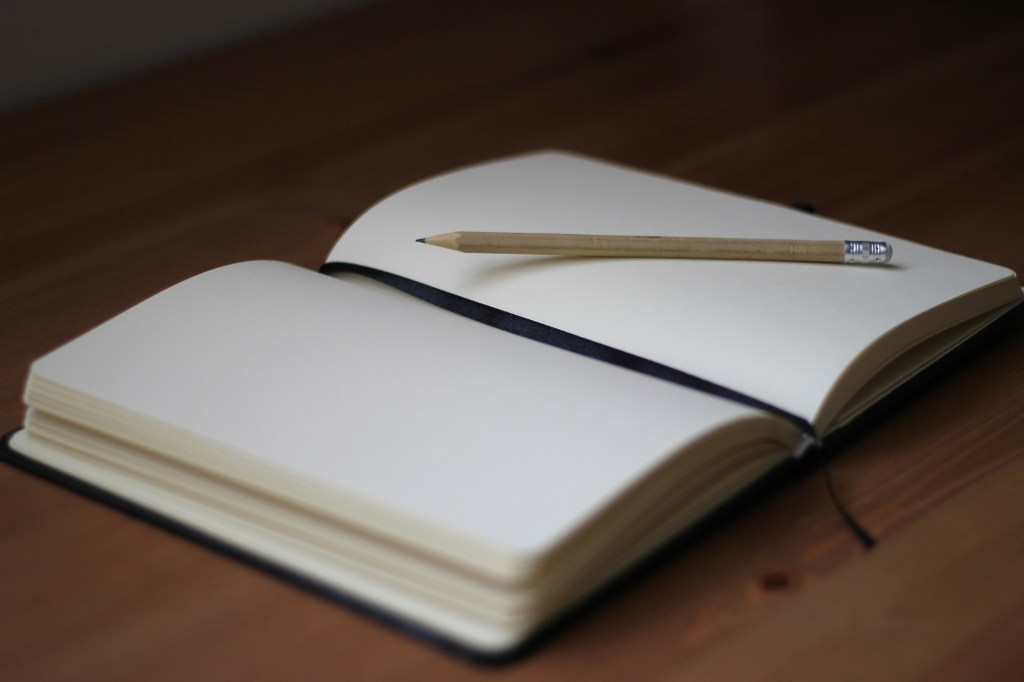
Writing down your thoughts can help release tension and bring clarity. Keeping a gratitude journal or tracking daily emotions allows you to process stress constructively.
How to Start Journaling for Anxiety Relief:
Write about what’s currently on your mind—no judgment.
List three things you’re grateful for each day.
Reflect on your emotions and how you handled them.
How Journaling Helped Me Take Control of My Anxiety
For the longest time, my anxiety felt like an unstoppable force. My mind was constantly filled with worries, doubts, and worst-case scenarios. I would go to bed exhausted, only to wake up feeling just as tense as the day before. I didn’t know how to break the cycle—until I discovered journaling.
At first, I was skeptical. How could writing down my thoughts possibly help? But one night, after a particularly stressful day, I grabbed an old notebook and started writing. I didn’t think too much about it—I just let my thoughts spill onto the page.
As I wrote, something surprising happened. The worries that had felt so overwhelming in my mind suddenly seemed smaller on paper. Instead of circling endlessly in my head, they were now in front of me, clear and manageable.
I decided to make it a habit. Every night, I wrote down: ✅ What was on my mind – no filter, no judgment. ✅ One thing I was grateful for – no matter how small. ✅ One positive thing that happened that day – even if it was just a good cup of coffee.
Within weeks, I noticed a shift. I started feeling lighter, more in control. My journal became a safe space—a place where I could process stress without letting it consume me.
Journaling didn’t make my anxiety disappear, but it gave me a way to manage it, understand it, and move forward with clarity.
💬 Have you ever tried journaling for anxiety? Share your experience in the comments! 😊
By incorporating these techniques into your routine, you can effectively manage anxiety and regain a sense of control. Which of these strategies works best for you? Let us know in the comments! 😊
Take Control of Your Anxiety – One Step at a Time
Anxiety can feel overwhelming, but the good news is that you have the power to manage it. By incorporating small, daily habits such as deep breathing, mindfulness, journaling, or physical activity, you can gradually reduce stress and regain control over your thoughts. Remember, overcoming anxiety is a journey, not an overnight fix. The key is consistency and self-compassion.
It’s important to recognize that you are not alone. Millions of people experience anxiety, and many have successfully learned how to cope with it. Seeking support from friends, family, or mental health professionals can also be a game-changer.
As you try these techniques, be patient with yourself. Some methods may work better for you than others, and that’s completely okay. The goal is not to eliminate anxiety but to learn how to navigate it effectively so it no longer controls your life.
💬 What has helped you manage anxiety? Share your experiences in the comments! Your story might inspire someone who is struggling. And if you found this article helpful, don’t forget to subscribe for more insights on mental well-being. 😊


















































 Mastering Anxiety