5 Fast Grounding Techniques to Calm Anxiety in Under 5 Minutes (Backed by Neuroscience)

Anxiety in today’s fast-paced world can overwhelm your brain, making it hard to stay present. Whether you’re dealing with panic attacks, workplace stress, or constant overthinking, grounding techniques offer quick relief. In this post, we’ll explore 5 fast, science-backed grounding strategies that reset your nervous system in less than 5 minutes.These calming tools help with emotional regulation, stress relief, focus improvement, trauma recovery, and mindfulness. Use them during anxiety episodes, emotional overload, burnout, or when you simply need to regain control. Whether you have high-functioning anxiety, PTSD, or sensory sensitivity, these methods are simple yet powerful.

These tools are especially valuable for people experiencing high-functioning anxiety, PTSD, social anxiety, emotional dysregulation, or even burnout. Grounding is about reconnecting with the present moment—using your senses, breath, and body to disrupt the brain’s tendency to catastrophize or freeze. Whether you’re seeking techniques for stress management, anxiety coping strategies, mindfulness exercises, trauma support, or body-based calming routines, grounding offers immediate relief. These strategies can also aid in emotional detox, cognitive rebalancing, nervous system resilience, burnout prevention, trauma release, relaxation therapy, somatic awareness, and psychological recovery.

Grounding reconnects you with the present moment through breath, movement, and sensory input. It’s one of the most effective anxiety coping tools because it interrupts the brain’s anxious cycle. Think of it as a reset button for your mind and body.

1. Vagal Toning Through Humming

You read that right. Humming is more than a calming activity. It directly stimulates the vagus nerve, which controls your parasympathetic nervous system—responsible for the “rest and digest” state.

How it works: When you hum, especially with your mouth closed and throat relaxed, vibrations reach the vagus nerve endings in your vocal cords. This activates the vagal pathway, lowering heart rate, reducing blood pressure, and promoting a sense of safety.

Try it:

  • Sit comfortably and take a deep breath in.
  • As you exhale, hum a steady tone (like “mmm”) for the full breath.
  • Repeat for 3-5 rounds. Focus on the vibrations in your chest and face.

Why it’s powerful: A 2021 study published in Frontiers in Psychology showed that humming tones for just 2 minutes can reduce cortisol levels and increase heart rate variability (HRV), a marker of resilience.

Enhance it: Add a gentle sway side-to-side as you hum. Movement paired with vibration increases the calming effect, making it easier to come down from intense emotional states. You can also hum to a calming song or chant—like “Om” or “Shalom”—to anchor your mind.

Extra layer: Try humming in different pitches and tones to discover what resonates best with your body. Low, resonant tones often work better for grounding, while higher pitches might be energizing. This simple vagus nerve stimulation technique supports emotional healing, boosts mood regulation, enhances nervous system reset, and improves mental resilience. It also complements breathwork, meditation routines, sound therapy, and somatic practices. Use it during anxiety attacks, overwhelm, or to unwind after sensory overload or overstimulation.


2. Bilateral Stimulation Using Cross-Body Movements

EMDR therapy uses bilateral stimulation (alternating left-right brain activation) to treat trauma. You can mimic this effect with cross-body movement to ground yourself.

How it works: Engaging both hemispheres of the brain synchronizes the nervous system, reducing overactivation from the amygdala (your fear center). These movements can override the “fight or flight” response.

Try it:

  • March in place, lifting your knees high.
  • Tap your left shoulder with your right hand, then your right shoulder with your left.
  • Do this rhythmically for 1-2 minutes while breathing slowly.

New twist: Use this method while mentally repeating calming affirmations (“I’m safe,” “I’m present”). Pairing movement with affirmation deepens the neural impact. You can even create a rhythm-based mantra: tap-left “I am,” tap-right “okay.”

Scientific insight: A 2023 paper in Neurobiology of Stress suggests bilateral movement promotes downregulation of limbic overactivity and enhances prefrontal cortex control. This makes it easier to reframe anxious thoughts rationally.

Advanced tip: Practice this before challenging conversations or public speaking. It prepares the brain to stay calm under pressure.

Integrative use: Incorporate cross-body movements into your morning stretch or workout. Turning it into a daily habit improves emotional agility long-term. This movement-based approach strengthens neural integration, boosts trauma resilience, and supports daily emotional reset. It complements nervous system training, body-brain coordination, cognitive clarity, tension release, and mental stamina. You can also pair it with light cardio, affirmations, or mirror work for enhanced grounding, sensory regulation, and nervous system balance. Use it to support daily well-being, internal safety, and holistic mind-body health.


3. Cold Water Submersion — The “Diver’s Reflex Hack”

This one taps into ancient biology. When your face contacts cold water, your body triggers the mammalian dive reflex, slowing the heart and calming the mind.

How it works: Submerging your face in cold water (or pressing a cold pack to your face) activates the parasympathetic response. This response evolved to help mammals conserve energy while underwater, but it can be “hacked” for emotional regulation.

Try it:

  • Fill a bowl with cold water and a few ice cubes.
  • Submerge your face for 10-15 seconds. Repeat 2-3 times.
  • If that’s not feasible, press a cold compress across your eyes and upper cheeks.

Important: Avoid if you have a heart condition. Otherwise, this technique is incredibly fast and potent.

Bonus tip: Pair this with box breathing (inhale 4s, hold 4s, exhale 4s, hold 4s) after the dip to extend the calm.

Real-world use: Emergency responders and military personnel often use this technique to rapidly reduce anxiety under high-stress conditions. Keep a gel ice pack in your freezer for immediate access.

Travel-friendly hack: If you’re on the go, splash cold water on your face in a restroom or carry a cooling facial mist with peppermint oil. It’s a small ritual that packs big results. This portable self-soothing technique supports quick anxiety relief, emotional regulation, nervous system calm, and tension reduction. Use it after travel fatigue, stressful commutes, overstimulation, or screen-time overload. It complements breathing exercises, on-the-go mindfulness, calming rituals, facial acupressure, and wellness routines. Whether you’re in a crowded space, stuck in traffic, or on a long flight, this sensory reset can offer instant grounding and inner balance for everyday mental wellness.


4. Sensory Reset With Citrus or Peppermint Oil

Strong scents can override anxiety loops by hijacking the olfactory nerve, which connects directly to the limbic system—the emotional center of the brain.

How it works: Unlike other senses, smell travels directly to the brain without being filtered. Sharp, fresh scents like citrus or mint can “snap” your brain back to the present and shift the emotional tone.

Try it:

  • Carry a small roller of peppermint or orange essential oil.
  • Inhale deeply through the nose while closing your eyes.
  • Exhale slowly and imagine the scent traveling through your brain.

Upgrade the effect: Use the scent as an “anchor”—a scent you always associate with safety. Repeat the practice daily in calm states, so your brain builds the association.

Science says: A 2022 review in Brain Sciences confirms essential oils like bergamot and orange reduce anxiety symptoms by modulating the limbic system.

Aromatherapy stacking: Combine the scent with a calming song or mantra. Multisensory stimulation (smell + sound) creates stronger neural connections that can override panic faster.

Note on quality: Ensure you’re using pure essential oils, not synthetic fragrance oils. Look for oils labeled “therapeutic grade” or organic for best results. Choosing the right oils supports aromatherapy effectiveness, nervous system nourishment, natural stress relief, and holistic self-care. High-quality oils enhance limbic activation, emotional release, relaxation benefits, and nervous system alignment. When possible, seek oils with transparency in sourcing, sustainability practices, and third-party testing to support your mental clarity, sensory integration, emotional grounding, and overall wellness journey.


5. 5-4-3-2-1 With a Neurological Twist

You may know the 5-4-3-2-1 technique: list 5 things you see, 4 things you can touch, 3 you hear, etc. But here’s the upgrade.

How it works: The classic technique grounds you via the five senses. But combining it with eye movement and vocalization adds a new layer of neurological engagement.

Try it with a twist:

  • As you name each item out loud, move your eyes horizontally (left to right) to mimic EMDR stimulation.
  • Speak each one slowly and clearly to engage language centers and regulate thought processing.

Example:

  • “I see the blue mug. I see the window light. I see the green plant…”
  • At the same time, slowly sweep your eyes left to right.

Neurobonus: Eye movement activates both hemispheres. Speaking aloud engages Broca’s area and builds coherence between thought and speech, reducing mental chaos.

Next-level idea: Record yourself saying the 5-4-3-2-1 steps in your own voice. Listen to it during high-stress moments—it creates a feedback loop of self-regulation. This personalized grounding strategy enhances emotional processing, promotes sensory integration, supports audio-guided mindfulness, and builds inner resilience. It works well for self-soothing, nighttime anxiety, overstimulation recovery, and trauma-informed care. By using your own voice, you activate self-trust, internal safety, auditory connection, and cognitive reframing. Combine this technique with deep breathing, guided meditation, emotional tracking, nervous system regulation, and grounding affirmations for maximum effect.

Combine with journaling: After finishing the technique, jot down what you noticed. Writing consolidates the shift in awareness and helps track emotional patterns over time.


Conclusion: Grounding Is a Neurological Skill

Grounding isn’t woo-woo. It’s a science-backed practice that trains your nervous system to respond to chaos with control. These five techniques can be practiced anywhere, anytime—in your car, during a meeting, or in the middle of a panic spiral. The more you practice them, the faster they work. They also support mind-body awareness, emotional stability, holistic healing, nervous system support, calm routines, breath-based regulation, inner stillness, present-moment awareness, embodied resilience, and trauma-informed recovery. Grounding can be integrated with lifestyle wellness, daily mental reset, clarity rituals, focused breathing, sensory mindfulness, emotional detox tools, anxiety prevention strategies, restorative self-care, and sustainable calm practices.

Grounding is not about ignoring your feelings. It’s about creating a pause, a space between the trigger and your reaction, where conscious choice becomes possible. Over time, these techniques teach your brain that the body is a safe place to be. This conscious regulation supports emotional intelligence, cognitive control, embodied awareness, and somatic release. It strengthens the stress response system, enhances trauma recovery, cultivates inner harmony, and rewires anxious patterns. Grounding fosters nervous system adaptability, self-awareness, nervous system recalibration, breath-body connection, mind-body harmony, and holistic emotional wellness.

The nervous system is trainable. Like any skill, grounding improves with repetition and personalization. Experiment with timing, frequency, and environment to build your own emergency calm kit. This ongoing practice enhances brain-body synchronization, emotional recalibration, stress resilience, parasympathetic activation, neuroplasticity, healing routines, mindfulness tracking, daily regulation strategies, nervous system conditioning, calm-down protocols, therapeutic routines, somatic tuning, anxiety resilience building, self-regulation mastery, internal alignment, holistic nervous support, adaptive nervous training, restorative nervous practices, sensory wellness mapping, and resilience strengthening.

If you’re tired of shallow tips and want real, rapid relief from anxiety, train your brain with tools it understands—sensory input, rhythm, and breath.


👉 Download Emergency Calm Protocol

10 Science-Backed Techniques to Reduce Anxiety & Find Inner Peace

Practice Deep Breathing (The 4-7-8 Method)

Your breath is one of the most powerful tools for calming your nervous system. The 4-7-8 breathing technique, developed by Dr. Andrew Weil, is a simple yet effective way to reduce anxiety.

How to do it:

  • Inhale deeply through your nose for 4 seconds.
  • Hold your breath for 7 seconds.
  • Exhale slowly through your mouth for 8 seconds.
  • Repeat this cycle 4 times.

Studies show that controlled breathing can lower cortisol levels, the hormone responsible for stress.

Engage in Regular Exercise

Physical activity is a natural anxiety reducer. Research has found that just 30 minutes of exercise can significantly lower stress hormones and boost endorphins.

Best types of exercise for anxiety relief: ✔ Walking or jogging ✔ Yoga or stretching ✔ Strength training ✔ Dancing or aerobic workouts

Tip: If you’re feeling anxious, take a 10-minute brisk walk. Movement helps regulate emotions and clears your mind.

Try Progressive Muscle Relaxation (PMR)

PMR is a technique where you tense and then release different muscle groups to promote relaxation.

How to do it:

  1. Start at your feet: Tense the muscles for 5 seconds, then release.
  2. Move to your calves, thighs, abdomen, chest, arms, and neck.
  3. Focus on the feeling of relaxation after each release.

A study published in the Journal of Clinical Psychology found that PMR helps reduce anxiety by activating the body’s relaxation response.

Reduce Caffeine & Sugar Intake

Caffeine and sugar can increase heart rate and make anxiety symptoms worse. Instead of coffee or energy drinks, opt for herbal tea like chamomile, which has been shown to promote relaxation.

Tip: Switch to green tea or matcha for a gentler caffeine source without the jitters.

Use the “5-4-3-2-1” Grounding Technique

This mindfulness exercise helps bring you back to the present moment.

5 things you can see4 things you can touch3 things you can hear2 things you can smell1 thing you can taste

By engaging your senses, you shift focus away from anxious thoughts.

Get Enough Sleep

Poor sleep increases anxiety, and anxiety makes it harder to sleep – a vicious cycle. Studies suggest that 7-9 hours of quality sleep can significantly lower stress levels.

How to improve sleep:

  • Stick to a regular sleep schedule.
  • Avoid screens at least 1 hour before bed.
  • Try a bedtime relaxation routine (reading, journaling, or meditation).

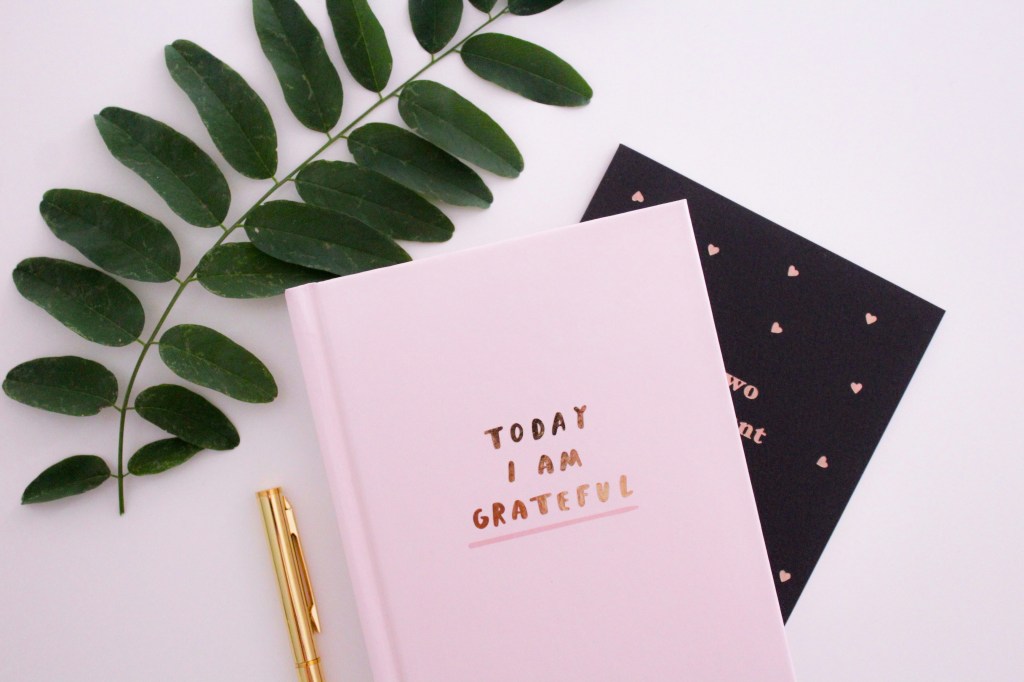
Keep a Journal (Write it Out!)

Journaling helps you process emotions and gain perspective on anxious thoughts. Writing things down can feel like unloading mental clutter.

Try these journal prompts:

  • What are 3 things I’m grateful for today?
  • What is one thought that’s making me anxious, and how can I reframe it?
  • What’s one small step I can take to feel better today?

Research from The Journal of Affective Disorders found that expressive writing significantly reduces anxiety and depressive symptoms.

Limit News & Social Media Consumption

Too much negative news and endless social media scrolling can increase anxiety levels. Try setting time limits for social media and news consumption.

Tip: Use the “Do Not Disturb” feature on your phone to create tech-free time

Try Aromatherapy (Essential Oils for Anxiety)

Scents have a powerful effect on the brain. Essential oils like lavender, chamomile, and frankincense activate relaxation responses.

✔ Add a few drops of lavender oil to a diffuser. ✔ Apply diluted essential oil to pulse points (wrists, temples, neck). ✔ Use scented candles or herbal bath salts for a calming environment.

Seek Professional Help When Needed

There’s no shame in seeking support. Therapy, counseling, or coaching can provide personalized techniques for managing anxiety effectively.

Types of therapy that help with anxiety: ✔ Cognitive Behavioral Therapy (CBT) ✔ Mindfulness-Based Therapy ✔ Exposure Therapy

If anxiety is interfering with your daily life, reaching out to a mental health professional is a powerful step toward healing.

Final Thoughts: You’re in Control

Anxiety may feel overpowering at times, but these science-backed techniques can help you regain control and find a sense of peace. Start with one or two strategies that resonate with you, and gradually build a self-care routine that supports your mental well-being.

Reduce Anxiety with Daily Mindfulness Practices

Anxiety is a common challenge in today’s fast-paced world. Mindfulness, a practice rooted in being present, has been scientifically proven to reduce stress, lower anxiety, and improve overall well-being. In this guide, we’ll explore how daily mindfulness can help you regain control over anxious thoughts and provide simple techniques you can start using today.

What is Mindfulness?

Mindfulness is the practice of being fully present in the moment without judgment. It helps break the cycle of overthinking and worrying about the future—common triggers of anxiety. When you focus on what’s happening right now, your mind has less space for stress.

Key benefits of mindfulness:
✅ Lowers stress hormone levels
✅ Improves focus and concentration
✅ Reduces negative thought patterns
✅ Helps regulate emotions and reactions

The Science Behind Mindfulness and Anxiety Reduction

Studies from Harvard, Stanford, and UCLA have shown that regular mindfulness practice changes brain activity.

🔬 Research Highlights:
📌 A Harvard study found that just 8 weeks of mindfulness practice reduces the size of the amygdala (the brain’s fear center).
📌 A study in JAMA Psychiatry showed that mindfulness meditation is as effective as prescription medication for treating anxiety disorders.
📌 MRI scans reveal that mindfulness increases gray matter in the prefrontal cortex, which controls rational thinking and emotional balance.

💡 This means that mindfulness actually rewires your brain to be less reactive to stress!

5 Simple Mindfulness Practices to Reduce Anxiety

1️⃣ The 4-7-8 Breathing Technique

Best for: Calming the nervous system in moments of high anxiety.

🟢 How to do it:

  1. Inhale deeply through your nose for 4 seconds.
  2. Hold your breath for 7 seconds.
  3. Exhale slowly through your mouth for 8 seconds.
  4. Repeat this cycle 4-5 times.

🔹 Why it works? This method slows your heart rate and activates the parasympathetic nervous system, promoting relaxation.

📌 Try guided breathing exercises in the Calm app – Click here to explore


2️⃣ Mindful Walking

Best for: Breaking the loop of anxious thoughts.

Instead of walking on autopilot, try walking with full awareness:
✅ Focus on the sensation of your feet touching the ground.
✅ Notice the rhythm of your breath as you walk.
✅ Observe sounds, colors, and shapes around you.

💡 Studies show that mindful walking significantly reduces cortisol (the stress hormone).


3️⃣ The “5-4-3-2-1” Grounding Exercise

Best for: Panic attacks and overwhelming anxiety.

This technique engages your senses to shift your focus away from anxious thoughts.

🔹 How to do it:

  • 5 things you can SEE (a tree, your hands, a book).
  • 4 things you can TOUCH (your clothes, chair, desk).
  • 3 things you can HEAR (birds, distant voices, wind).
  • 2 things you can SMELL (coffee, fresh air).
  • 1 thing you can TASTE (gum, tea, mint).

💡 This method brings your awareness back to the present, breaking the anxiety loop.

📌 Want more mindfulness techniques? Try Calm Premium – Start here


4️⃣ Daily Gratitude Reflection

Best for: Reducing stress and shifting focus from anxiety to positivity.

How to do it:
🔹 Each morning or night, write down 3 things you’re grateful for.
🔹 Be specific! Instead of “I’m grateful for my family,” write “I’m grateful for the kind words my mom shared today.”

💡 A study from UC Berkeley found that people who practice gratitude have 23% lower cortisol levels.


5️⃣ Body Scan Meditation

Best for: Relaxing a tense body caused by anxiety.

🔹 How to do it:

  • Lie down or sit comfortably.
  • Focus on one body part at a time, from your toes to your head.
  • Notice any tension and allow it to release with each breath.

How to Build a Daily Mindfulness Routine

Morning Ritual (5 minutes)

✅ Start with mindful breathing (4-7-8 technique).
✅ Set a positive intention for the day.

Afternoon Reset (10 minutes)

✅ Take a mindful walk or do a quick body scan meditation.
✅ Use the 5-4-3-2-1 technique if stress builds up.

Evening Wind-Down (15 minutes)

✅ Reflect on 3 things you’re grateful for.
✅ Listen to a guided sleep meditation to ensure deep rest.

Mindfulness and Technology – Finding the Right Tools

📌 Best apps for mindfulness and anxiety relief:
1️⃣ Calm – Guided meditation, sleep stories, breathing exercises.
2️⃣ Headspace – Mindfulness coaching and stress reduction.
3️⃣ Insight Timer – Free meditations and relaxation music.

Final Thoughts: Small Steps Lead to Big Changes

✅ Practicing mindfulness for just 10 minutes a day can transform how you deal with anxiety.
✅ The key is consistency – make mindfulness a habit!
Use tools like Calm to support your journey.

How to Stop Overthinking: Practical Tips for Mental Peace

Overthinking is like a mental treadmill—your thoughts keep running, but you never reach a destination. If you’ve ever found yourself replaying conversations, worrying about things you can’t control, or getting stuck in “what-if” scenarios, you’re not alone. Overthinking can be exhausting, leading to anxiety, stress, and even insomnia.

But the good news is that you can break free from the cycle of overthinking and regain your mental peace. In this guide, we’ll explore practical strategies to help you calm your mind, shift your focus, and live more peacefully.

Recognize When You’re Overthinking

The first step to overcoming overthinking is awareness. Many people don’t even realize they’re stuck in an overthinking loop until it starts affecting their mood and energy levels.

Common signs of overthinking:

  • Constantly replaying past conversations or events.
  • Worrying about things that haven’t happened yet.
  • Struggling to make decisions because you fear making the wrong choice.
  • Creating worst-case scenarios in your head.

📌 Action Step: Next time you catch yourself overthinking, pause and ask:
“Am I solving a real problem, or am I just creating stress for myself?”

Shift Your Perspective – Ask the Right Questions

Overthinking often comes from focusing on things you can’t control. Instead of getting lost in negative thoughts, try shifting your perspective with better questions.

🚫 “What if I fail?” → ✅ “What can I do to improve my chances of success?”
🚫 “Why did they say that?” → ✅ “Does their opinion define my self-worth?”
🚫 “What if everything goes wrong?” → ✅ “What if everything goes right?”

📌 Action Step: Every time you catch yourself overthinking, ask:
“Is this thought helping me or hurting me?”

Set Time Limits for Decision-Making

One of the biggest triggers of overthinking is indecision. The more time you spend analyzing every possible outcome, the harder it becomes to make a choice.

How to stop overanalyzing decisions:

  • Set a time limit for making decisions (e.g., “I will decide within 10 minutes”).
  • Use the 80/20 rule – focus on the most important factors and let go of minor details.
  • Remind yourself that no decision is perfect, and mistakes are part of learning.

📌 Action Step: If you find yourself stuck on a decision, set a 5-minute timer and commit to choosing before it runs out.

Break the Cycle with Mindfulness

Mindfulness is one of the most powerful tools for stopping overthinking. It helps you stay in the present moment instead of getting lost in past regrets or future worries.

Ways to practice mindfulness:

  • Deep breathing exercises (Try the 4-7-8 breathing technique).
  • Meditation apps like Headspace or Calm.
  • Grounding exercises, such as the 5-4-3-2-1 technique (identify 5 things you see, 4 you can touch, 3 you hear, 2 you smell, and 1 you taste).

📌 Action Step: When overthinking strikes, take three deep breaths, focus on the sensations around you, and bring your mind back to the present.

Take Action – Overcome the “Analysis Paralysis”

Overthinking often prevents you from taking action. You keep thinking about what you should do instead of actually doing it. The best way to break this cycle is to take small, immediate steps.

How to shift from thinking to doing:

  • Instead of worrying about a big goal, break it into tiny actions.
  • If you’re anxious about an email, send it now instead of rewriting it ten times.
  • If you’re overthinking starting a new habit, just do it for 2 minutes instead of aiming for perfection.

📌 Action Step: Whatever you’re overthinking about, take one small action right now—even if it’s just writing down a plan.

Practice

Many people overthink because they fear failure or judgment. But the truth is, nobody is perfect, and mistakes are part of growth.

How to be kinder to yourself:

  • Talk to yourself like you would talk to a friend.
  • Accept that you don’t need to have everything figured out.
  • Remember that you are more than your thoughts.

📌 Action Step: Next time you catch yourself being overly self-critical, ask:
“Would I say this to a close friend?”

Distract Yourself with Activities That Engage Your Mind

One of the simplest ways to stop overthinking is to redirect your focus. Engage in activities that require your full attention so your mind has less room for anxious thoughts.

Best activities to break the overthinking cycle:

  • Exercise – Go for a walk, do yoga, or lift weights.
  • Creative hobbies – Paint, write, or play music.
  • Physical tasks – Clean your room, organize your desk, or cook a new recipe.

📌 Action Step: Make a list of go-to distractions that help shift your focus when you start overthinking.

Create an Evening Routine to Calm Your Mind

Overthinking often peaks at night, making it hard to fall asleep. Creating a relaxing bedtime routine can help you quiet your mind.

Nighttime habits to reduce overthinking:

  • Write down your thoughts in a journal to clear your mind before bed.
  • Avoid screens and social media at least 30 minutes before sleep.
  • Listen to calming music or a guided meditation.

📌 Action Step: Start a nightly “brain dump” journal, where you write down everything on your mind before going to bed.

Final Thoughts: You Are Not Your Thoughts

Overthinking can feel like an endless battle, but remember: your thoughts don’t define you. By practicing mindfulness, taking action, and shifting your perspective, you can break free from the cycle and regain your mental peace.

💬 Which of these strategies has helped you the most? Share your thoughts in the comments! 😊

5 Powerful Ways to Stay Calm in Stressful Situations

Stress is an inevitable part of life, but the way we respond to it can greatly impact our mental and physical well-being. Whether facing workplace challenges, important life decisions, or daily worries, there are effective strategies to help you stay calm.

Deep Breathing – Activate Your Relaxation Response

One of the fastest ways to calm yourself in stressful situations is through deep breathing. When stressed, your breathing becomes shallow, increasing feelings of panic.
How to apply?

  • Try the 4-7-8 technique: Inhale through your nose for 4 seconds, hold your breath for 7 seconds, and exhale through your mouth for 8 seconds.
  • Repeat this cycle 3-5 times until you feel more relaxed.

How Deep Breathing Saved Me from an Anxiety Spiral

I remember the first time I truly understood the power of deep breathing. It was a regular Monday morning, or so I thought. I had a big presentation at work, one that could determine the success of an important project. As I sat in the conference room waiting for my turn, I suddenly felt my heart pounding like a drum. My hands got clammy, my chest tightened, and my thoughts raced uncontrollably: What if I mess up? What if I forget what to say?

The more I panicked, the more I struggled to breathe. I could feel my body tensing up, my vision narrowing. That’s when I remembered something I had read about—the 4-7-8 breathing technique.

Desperate to regain control, I closed my eyes for a moment and silently counted:

🔹 Inhale through my nose for 4 seconds – filling my lungs slowly.
🔹 Hold my breath for 7 seconds – letting my body absorb the oxygen.
🔹 Exhale gently through my mouth for 8 seconds – releasing the tension.

I repeated the cycle three times, and something incredible happened. My heartbeat slowed, my mind stopped spiraling, and my muscles loosened. It felt like I had reset my entire nervous system.

By the time I was called up to present, I was still a bit nervous, but no longer overwhelmed. I spoke clearly, my voice steady. I got through it—all because I took a few deep breaths.

Since that day, deep breathing has become my secret weapon against anxiety. Whenever I feel stress creeping in, I pause, breathe, and reset. It reminds me that I am always in control of my body, even when my mind tries to convince me otherwise.

💬 Have you ever used deep breathing to manage stress? Share your experience in the comments

Mindfulness – Stay Present and Grounded

Stress often arises from worrying about the future or dwelling on the past. Mindfulness techniques help you focus on the present moment and reduce anxiety.
How to apply?

  • Try the 5-4-3-2-1 grounding technique: Identify 5 things you see, 4 things you can touch, 3 things you hear, 2 things you can smell, and 1 thing you can taste.
  • This method shifts your focus away from stress and brings you back to reality.

How Mindfulness Helped Me Escape an Anxiety Spiral

A few months ago, I found myself sitting alone in a coffee shop, overwhelmed by racing thoughts. I had just received an email that made my stomach drop—something at work had gone wrong, and I was sure it was my fault. My mind spiraled into worst-case scenarios: What if I lose my job? What if I can’t fix this? What if I disappoint everyone?

My heart started pounding, my hands trembled slightly, and I felt that familiar tightness in my chest. It was happening again—another anxiety spiral. I knew I had to do something before I lost control completely.

Then, I remembered something I had read about the 5-4-3-2-1 grounding technique. I decided to give it a try.

🔹 5 things I could see – The coffee mug in front of me, a woman typing on her laptop, a framed picture on the wall, the steam rising from my drink, the pattern on the wooden table.
🔹 4 things I could touch – The warmth of the cup in my hands, the smooth surface of my phone, the fabric of my sweater, the cool metal of the spoon.
🔹 3 things I could hear – Soft jazz music playing in the background, the hum of conversation, the sound of a spoon clinking against a cup.
🔹 2 things I could smell – Freshly brewed coffee and the faint scent of vanilla from my drink.
🔹 1 thing I could taste – The slight bitterness of my coffee, mixed with a hint of caramel.

By the time I reached the last step, my heart rate had slowed, my breathing was steady, and my anxious thoughts had faded. I wasn’t panicking anymore—I was present. The problem still existed, but at that moment, I was okay.

That day, I realized the power of mindfulness. I still face stressful situations, but now I have a tool that keeps me grounded. No matter how chaotic my thoughts get, the present moment is always within reach.

💬 Have you ever used mindfulness to stop an anxiety spiral? Share your experience in the comments! 😊

Shift Your Perspective – Focus on What You Can Control

When under stress, we tend to focus on things beyond our control. Instead, redirect your attention to what you can influence.
How to apply?

  • Ask yourself: “Can I do something about this? If not, why stress over it?”
  • Visualize a positive outcome rather than expecting the worst.

How Changing My Perspective Helped Me Overcome Anxiety

A few years ago, I was stuck in a pattern of overthinking and stressing over things I couldn’t control. I would replay conversations in my head, worry about how people perceived me, and obsess over possible failures that hadn’t even happened yet. My mind was constantly in “what if” mode, and it was exhausting.

One evening, after a particularly stressful day at work, I sat down with my journal and asked myself a simple question: “Can I control this?”

I started listing the things I was worried about:
🔹 What if my boss isn’t happy with my work?
🔹 What if my friend is upset with me for canceling plans?
🔹 What if something unexpected ruins my plans next week?

Then, I made two columns: “Things I Can Control” vs. “Things I Can’t Control.”

To my surprise, most of my worries fell into the second column. I had no control over how my boss felt, what my friend thought, or unpredictable events in the future. But I could control how I prepared for work, how I communicated with my friend, and how I responded to changes.

That night, I made a decision: I would only focus on what I could control and let go of the rest.

The next time my mind started spiraling, I reminded myself: If I can’t change it, I won’t waste energy on it. This shift in perspective didn’t make my problems disappear, but it gave me back my peace of mind.

💬 Have you ever changed your mindset to overcome stress? Share your experience in the comments! 😊

Physical Activity – Move Your Body, Calm Your Mind

Exercise reduces cortisol (the stress hormone) and increases endorphins, which improve mood.
How to apply?

  • A simple 10-minute walk can make a huge difference.
  • If indoors, do a few squats, push-ups, or stretches.
  • Yoga and light exercises can have a calming effect on both body and mind.

How Exercise Became My Escape from Anxiety

A year ago, I found myself trapped in a cycle of constant overthinking. My anxiety was at its peak, and every little thing felt overwhelming. I struggled with racing thoughts, sleepless nights, and a sense of restlessness that never seemed to fade. Nothing seemed to help—until one day, out of frustration, I decided to go for a walk.

It wasn’t anything special—just a slow, aimless walk around my neighborhood. But within a few minutes, I noticed something strange. My thoughts, which had been spiraling just moments before, started to slow down. The fresh air felt cool against my skin, and for the first time that day, I took a deep breath without feeling tightness in my chest.

The next day, I walked again. This time, I picked up the pace, feeling my heart rate increase. By the end of the week, I was walking every morning, and I realized something—I felt lighter, both physically and mentally.

Soon, I started trying other forms of movement—stretching, yoga, even a few bodyweight exercises at home. Each time I moved my body, my mind felt clearer. It was as if my worries couldn’t keep up with me while I was in motion.

Exercise became more than just an activity—it became my escape, my reset button. Now, whenever anxiety starts creeping in, I know exactly what to do: get up, get moving, and let the stress melt away.

💬 Have you ever used physical activity to manage stress? Share your experience in the comments! 😊

Combine Deep Breathing with Positive Affirmations

Pairing deep breathing with affirmations can significantly reduce stress.
How to apply?

  • While inhaling, tell yourself: “I am calm and in control.”
  • While exhaling, imagine stress leaving your body.
  • Repeat the affirmation until you feel a shift in your mood.

How Deep Breathing and Affirmations Helped Me Overcome Anxiety

A few months ago, I found myself in the middle of an overwhelming anxiety attack. It came out of nowhere—I was sitting at my desk, trying to focus on my work, when suddenly, my heart started racing. My hands felt cold, my chest tightened, and I could feel panic creeping in.

I had experienced anxiety before, but this time was different. I couldn’t think clearly, and every attempt to calm down only made me more frustrated. That’s when I remembered something a friend had told me about: combining deep breathing with affirmations.

Desperate for relief, I closed my eyes and placed a hand on my chest. I took a slow, deep breath in through my nose and silently repeated in my mind:

🟢 “I am calm and in control.”

I held my breath for a moment and then exhaled through my mouth, imagining all the stress leaving my body.

I repeated the process. Inhale—”I am safe.” Exhale—”This feeling will pass.”

With each breath, my heart rate slowed. My muscles relaxed. My thoughts, which had been racing moments ago, started to quiet down.

By the time I opened my eyes, the panic had faded. I wasn’t completely anxiety-free, but I felt grounded again. Since that day, deep breathing and affirmations have become my go-to tools whenever I feel stress building up. They remind me that, no matter how overwhelming my emotions get, I have the power to bring myself back to a place of peace.

💬 Have you ever used affirmations to calm anxiety? Share your thoughts in the comments! 😊

Conclusion

Stress is a natural part of life, but your response to it can change. By incorporating breathing exercises, mindfulness, physical activity, and a shift in perspective, you can maintain inner peace even in the most challenging moments.

💬 Which technique helps you stay calm the most? Share your thoughts in the comments! 😊