10 Science-Backed Techniques to Reduce Anxiety & Find Inner Peace

Practice Deep Breathing (The 4-7-8 Method)

Your breath is one of the most powerful tools for calming your nervous system. The 4-7-8 breathing technique, developed by Dr. Andrew Weil, is a simple yet effective way to reduce anxiety.

How to do it:

  • Inhale deeply through your nose for 4 seconds.
  • Hold your breath for 7 seconds.
  • Exhale slowly through your mouth for 8 seconds.
  • Repeat this cycle 4 times.

Studies show that controlled breathing can lower cortisol levels, the hormone responsible for stress.

Engage in Regular Exercise

Physical activity is a natural anxiety reducer. Research has found that just 30 minutes of exercise can significantly lower stress hormones and boost endorphins.

Best types of exercise for anxiety relief: ✔ Walking or jogging ✔ Yoga or stretching ✔ Strength training ✔ Dancing or aerobic workouts

Tip: If you’re feeling anxious, take a 10-minute brisk walk. Movement helps regulate emotions and clears your mind.

Try Progressive Muscle Relaxation (PMR)

PMR is a technique where you tense and then release different muscle groups to promote relaxation.

How to do it:

  1. Start at your feet: Tense the muscles for 5 seconds, then release.
  2. Move to your calves, thighs, abdomen, chest, arms, and neck.
  3. Focus on the feeling of relaxation after each release.

A study published in the Journal of Clinical Psychology found that PMR helps reduce anxiety by activating the body’s relaxation response.

Reduce Caffeine & Sugar Intake

Caffeine and sugar can increase heart rate and make anxiety symptoms worse. Instead of coffee or energy drinks, opt for herbal tea like chamomile, which has been shown to promote relaxation.

Tip: Switch to green tea or matcha for a gentler caffeine source without the jitters.

Use the “5-4-3-2-1” Grounding Technique

This mindfulness exercise helps bring you back to the present moment.

5 things you can see4 things you can touch3 things you can hear2 things you can smell1 thing you can taste

By engaging your senses, you shift focus away from anxious thoughts.

Get Enough Sleep

Poor sleep increases anxiety, and anxiety makes it harder to sleep – a vicious cycle. Studies suggest that 7-9 hours of quality sleep can significantly lower stress levels.

How to improve sleep:

  • Stick to a regular sleep schedule.
  • Avoid screens at least 1 hour before bed.
  • Try a bedtime relaxation routine (reading, journaling, or meditation).

Keep a Journal (Write it Out!)

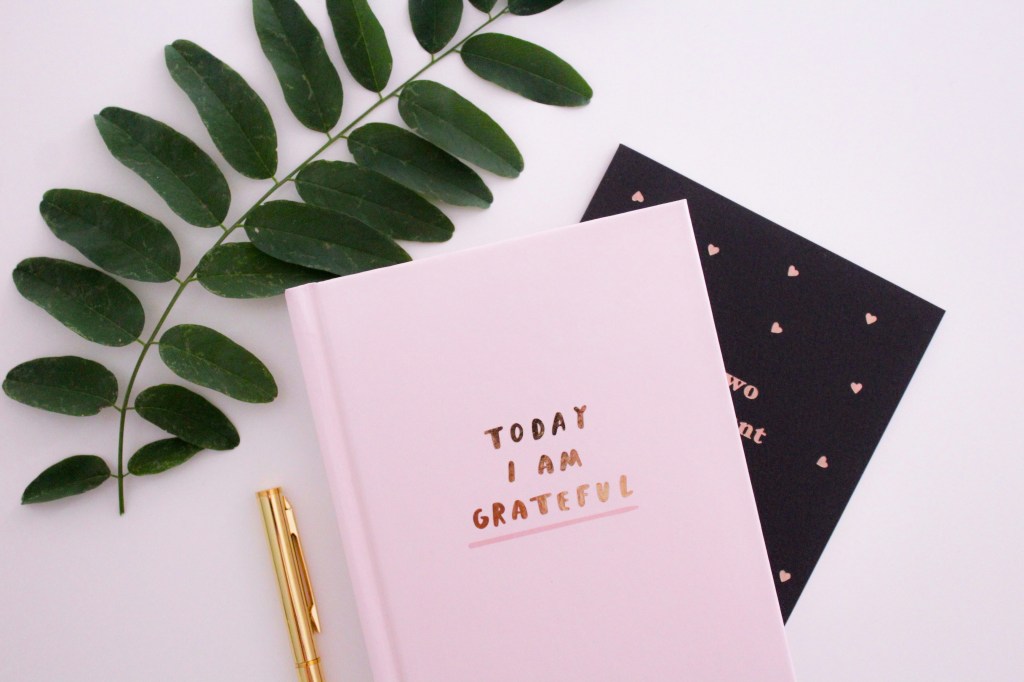
Journaling helps you process emotions and gain perspective on anxious thoughts. Writing things down can feel like unloading mental clutter.

Try these journal prompts:

  • What are 3 things I’m grateful for today?
  • What is one thought that’s making me anxious, and how can I reframe it?
  • What’s one small step I can take to feel better today?

Research from The Journal of Affective Disorders found that expressive writing significantly reduces anxiety and depressive symptoms.

Limit News & Social Media Consumption

Too much negative news and endless social media scrolling can increase anxiety levels. Try setting time limits for social media and news consumption.

Tip: Use the “Do Not Disturb” feature on your phone to create tech-free time

Try Aromatherapy (Essential Oils for Anxiety)

Scents have a powerful effect on the brain. Essential oils like lavender, chamomile, and frankincense activate relaxation responses.

✔ Add a few drops of lavender oil to a diffuser. ✔ Apply diluted essential oil to pulse points (wrists, temples, neck). ✔ Use scented candles or herbal bath salts for a calming environment.

Seek Professional Help When Needed

There’s no shame in seeking support. Therapy, counseling, or coaching can provide personalized techniques for managing anxiety effectively.

Types of therapy that help with anxiety: ✔ Cognitive Behavioral Therapy (CBT) ✔ Mindfulness-Based Therapy ✔ Exposure Therapy

If anxiety is interfering with your daily life, reaching out to a mental health professional is a powerful step toward healing.

Final Thoughts: You’re in Control

Anxiety may feel overpowering at times, but these science-backed techniques can help you regain control and find a sense of peace. Start with one or two strategies that resonate with you, and gradually build a self-care routine that supports your mental well-being.

Reduce Anxiety with Daily Mindfulness Practices

Anxiety is a common challenge in today’s fast-paced world. Mindfulness, a practice rooted in being present, has been scientifically proven to reduce stress, lower anxiety, and improve overall well-being. In this guide, we’ll explore how daily mindfulness can help you regain control over anxious thoughts and provide simple techniques you can start using today.

What is Mindfulness?

Mindfulness is the practice of being fully present in the moment without judgment. It helps break the cycle of overthinking and worrying about the future—common triggers of anxiety. When you focus on what’s happening right now, your mind has less space for stress.

Key benefits of mindfulness:
✅ Lowers stress hormone levels
✅ Improves focus and concentration
✅ Reduces negative thought patterns
✅ Helps regulate emotions and reactions

The Science Behind Mindfulness and Anxiety Reduction

Studies from Harvard, Stanford, and UCLA have shown that regular mindfulness practice changes brain activity.

🔬 Research Highlights:
📌 A Harvard study found that just 8 weeks of mindfulness practice reduces the size of the amygdala (the brain’s fear center).
📌 A study in JAMA Psychiatry showed that mindfulness meditation is as effective as prescription medication for treating anxiety disorders.
📌 MRI scans reveal that mindfulness increases gray matter in the prefrontal cortex, which controls rational thinking and emotional balance.

💡 This means that mindfulness actually rewires your brain to be less reactive to stress!

5 Simple Mindfulness Practices to Reduce Anxiety

1️⃣ The 4-7-8 Breathing Technique

Best for: Calming the nervous system in moments of high anxiety.

🟢 How to do it:

  1. Inhale deeply through your nose for 4 seconds.
  2. Hold your breath for 7 seconds.
  3. Exhale slowly through your mouth for 8 seconds.
  4. Repeat this cycle 4-5 times.

🔹 Why it works? This method slows your heart rate and activates the parasympathetic nervous system, promoting relaxation.

📌 Try guided breathing exercises in the Calm app – Click here to explore


2️⃣ Mindful Walking

Best for: Breaking the loop of anxious thoughts.

Instead of walking on autopilot, try walking with full awareness:
✅ Focus on the sensation of your feet touching the ground.
✅ Notice the rhythm of your breath as you walk.
✅ Observe sounds, colors, and shapes around you.

💡 Studies show that mindful walking significantly reduces cortisol (the stress hormone).


3️⃣ The “5-4-3-2-1” Grounding Exercise

Best for: Panic attacks and overwhelming anxiety.

This technique engages your senses to shift your focus away from anxious thoughts.

🔹 How to do it:

  • 5 things you can SEE (a tree, your hands, a book).
  • 4 things you can TOUCH (your clothes, chair, desk).
  • 3 things you can HEAR (birds, distant voices, wind).
  • 2 things you can SMELL (coffee, fresh air).
  • 1 thing you can TASTE (gum, tea, mint).

💡 This method brings your awareness back to the present, breaking the anxiety loop.

📌 Want more mindfulness techniques? Try Calm Premium – Start here


4️⃣ Daily Gratitude Reflection

Best for: Reducing stress and shifting focus from anxiety to positivity.

How to do it:
🔹 Each morning or night, write down 3 things you’re grateful for.
🔹 Be specific! Instead of “I’m grateful for my family,” write “I’m grateful for the kind words my mom shared today.”

💡 A study from UC Berkeley found that people who practice gratitude have 23% lower cortisol levels.


5️⃣ Body Scan Meditation

Best for: Relaxing a tense body caused by anxiety.

🔹 How to do it:

  • Lie down or sit comfortably.
  • Focus on one body part at a time, from your toes to your head.
  • Notice any tension and allow it to release with each breath.

How to Build a Daily Mindfulness Routine

Morning Ritual (5 minutes)

✅ Start with mindful breathing (4-7-8 technique).
✅ Set a positive intention for the day.

Afternoon Reset (10 minutes)

✅ Take a mindful walk or do a quick body scan meditation.
✅ Use the 5-4-3-2-1 technique if stress builds up.

Evening Wind-Down (15 minutes)

✅ Reflect on 3 things you’re grateful for.
✅ Listen to a guided sleep meditation to ensure deep rest.

Mindfulness and Technology – Finding the Right Tools

📌 Best apps for mindfulness and anxiety relief:
1️⃣ Calm – Guided meditation, sleep stories, breathing exercises.
2️⃣ Headspace – Mindfulness coaching and stress reduction.
3️⃣ Insight Timer – Free meditations and relaxation music.

Final Thoughts: Small Steps Lead to Big Changes

✅ Practicing mindfulness for just 10 minutes a day can transform how you deal with anxiety.
✅ The key is consistency – make mindfulness a habit!
Use tools like Calm to support your journey.

How to Stop Overthinking: Practical Tips for Mental Peace

Overthinking is like a mental treadmill—your thoughts keep running, but you never reach a destination. If you’ve ever found yourself replaying conversations, worrying about things you can’t control, or getting stuck in “what-if” scenarios, you’re not alone. Overthinking can be exhausting, leading to anxiety, stress, and even insomnia.

But the good news is that you can break free from the cycle of overthinking and regain your mental peace. In this guide, we’ll explore practical strategies to help you calm your mind, shift your focus, and live more peacefully.

Recognize When You’re Overthinking

The first step to overcoming overthinking is awareness. Many people don’t even realize they’re stuck in an overthinking loop until it starts affecting their mood and energy levels.

Common signs of overthinking:

  • Constantly replaying past conversations or events.
  • Worrying about things that haven’t happened yet.
  • Struggling to make decisions because you fear making the wrong choice.
  • Creating worst-case scenarios in your head.

📌 Action Step: Next time you catch yourself overthinking, pause and ask:
“Am I solving a real problem, or am I just creating stress for myself?”

Shift Your Perspective – Ask the Right Questions

Overthinking often comes from focusing on things you can’t control. Instead of getting lost in negative thoughts, try shifting your perspective with better questions.

🚫 “What if I fail?” → ✅ “What can I do to improve my chances of success?”
🚫 “Why did they say that?” → ✅ “Does their opinion define my self-worth?”
🚫 “What if everything goes wrong?” → ✅ “What if everything goes right?”

📌 Action Step: Every time you catch yourself overthinking, ask:
“Is this thought helping me or hurting me?”

Set Time Limits for Decision-Making

One of the biggest triggers of overthinking is indecision. The more time you spend analyzing every possible outcome, the harder it becomes to make a choice.

How to stop overanalyzing decisions:

  • Set a time limit for making decisions (e.g., “I will decide within 10 minutes”).
  • Use the 80/20 rule – focus on the most important factors and let go of minor details.
  • Remind yourself that no decision is perfect, and mistakes are part of learning.

📌 Action Step: If you find yourself stuck on a decision, set a 5-minute timer and commit to choosing before it runs out.

Break the Cycle with Mindfulness

Mindfulness is one of the most powerful tools for stopping overthinking. It helps you stay in the present moment instead of getting lost in past regrets or future worries.

Ways to practice mindfulness:

  • Deep breathing exercises (Try the 4-7-8 breathing technique).
  • Meditation apps like Headspace or Calm.
  • Grounding exercises, such as the 5-4-3-2-1 technique (identify 5 things you see, 4 you can touch, 3 you hear, 2 you smell, and 1 you taste).

📌 Action Step: When overthinking strikes, take three deep breaths, focus on the sensations around you, and bring your mind back to the present.

Take Action – Overcome the “Analysis Paralysis”

Overthinking often prevents you from taking action. You keep thinking about what you should do instead of actually doing it. The best way to break this cycle is to take small, immediate steps.

How to shift from thinking to doing:

  • Instead of worrying about a big goal, break it into tiny actions.
  • If you’re anxious about an email, send it now instead of rewriting it ten times.
  • If you’re overthinking starting a new habit, just do it for 2 minutes instead of aiming for perfection.

📌 Action Step: Whatever you’re overthinking about, take one small action right now—even if it’s just writing down a plan.

Practice

Many people overthink because they fear failure or judgment. But the truth is, nobody is perfect, and mistakes are part of growth.

How to be kinder to yourself:

  • Talk to yourself like you would talk to a friend.
  • Accept that you don’t need to have everything figured out.
  • Remember that you are more than your thoughts.

📌 Action Step: Next time you catch yourself being overly self-critical, ask:
“Would I say this to a close friend?”

Distract Yourself with Activities That Engage Your Mind

One of the simplest ways to stop overthinking is to redirect your focus. Engage in activities that require your full attention so your mind has less room for anxious thoughts.

Best activities to break the overthinking cycle:

  • Exercise – Go for a walk, do yoga, or lift weights.
  • Creative hobbies – Paint, write, or play music.
  • Physical tasks – Clean your room, organize your desk, or cook a new recipe.

📌 Action Step: Make a list of go-to distractions that help shift your focus when you start overthinking.

Create an Evening Routine to Calm Your Mind

Overthinking often peaks at night, making it hard to fall asleep. Creating a relaxing bedtime routine can help you quiet your mind.

Nighttime habits to reduce overthinking:

  • Write down your thoughts in a journal to clear your mind before bed.
  • Avoid screens and social media at least 30 minutes before sleep.
  • Listen to calming music or a guided meditation.

📌 Action Step: Start a nightly “brain dump” journal, where you write down everything on your mind before going to bed.

Final Thoughts: You Are Not Your Thoughts

Overthinking can feel like an endless battle, but remember: your thoughts don’t define you. By practicing mindfulness, taking action, and shifting your perspective, you can break free from the cycle and regain your mental peace.

💬 Which of these strategies has helped you the most? Share your thoughts in the comments! 😊